TLDR;
To speed up wisdom teeth recovery, focus on preserving the blood clot, minimizing swelling, and maintaining gentle oral hygiene. Use cold compresses during the first 48 hours, follow a soft-food diet, stay hydrated, avoid straws or smoking, and rest with your head elevated.
The Wisdom Teeth Recovery Timeline: What to Expect and When

Recovery from wisdom teeth removal happens in stages. Understanding these phases helps you make the right choices to avoid complications and speed up healing.
Typical Healing Stages:
- First 24 Hours: Blood clot forms — absolutely essential to protect it
- Days 2–3: Swelling and mild pain peak
- Days 4–7: Bruising and swelling subside, tissue begins to regenerate
- Week 2 and beyond: Most soft tissue healing complete, bone begins remodeling
During these stages, patients often wonder when it’s safe to start speaking again — a concern that ties closely to the talking timeline after wisdom teeth removal, as jaw movement too soon can disrupt healing.
Factors That Affect Healing Speed:
- Age (younger patients heal faster)
- Smoking (delays healing)
- Type of extraction (impacted vs. erupted)
- Pre-existing medical conditions (like diabetes)
How to Prevent Dry Socket and Infections

A dry socket can delay healing by over a week — and it hurts. Preventing it is one of the most important steps to speeding up recovery.
What Is a Dry Socket?
It happens when the protective blood clot is dislodged, exposing nerves and bone.
How to Avoid It:
- Don’t use straws
- Avoid smoking or vaping
- Don’t spit forcefully or rinse vigorously
- Stick to soft foods
- Keep fingers and objects away from the site
- Follow your dentist’s gauze placement instructions
Signs of Infection to Watch For:
- Increasing pain after 3 days
- Foul smell or taste
- Pus or oozing
- Fever or swollen lymph nodes
Contact Buford Dentist immediately if you notice any of these.
How to Reduce Swelling After Wisdom Teeth Removal

Swelling is natural, but controlling it can accelerate recovery significantly.
0–48 Hours: Use cold therapy
- Apply an ice pack to the cheek: 20 minutes on, 20 minutes off
- Keep your head elevated, especially while sleeping
- Limit physical activity
After 48 Hours: Switch to heat
- Use warm compresses to stimulate blood flow
- Gentle jaw movement can help reduce stiffness
Bonus Tips:
- Sleep with 2–3 pillows
- Avoid hot showers or spicy foods during peak inflammation
Best Medicine and Natural Remedies for Pain Relief

Pain doesn’t have to slow you down. Use smart pain management to stay comfortable and heal faster.
Medication Strategy:
- Ibuprofen: reduces pain and swelling
- Acetaminophen: can be combined with ibuprofen for stronger pain relief
- Follow dosage instructions — don’t wait until the pain becomes unbearable
Natural Remedies:
- Turmeric: anti-inflammatory, can be added to smoothies
- Bromelain: found in pineapple juice for wisdom teeth, supports healing
- Arnica: topical cream to reduce bruising
- Saltwater rinse (after 24 hours): soothes tissue and keeps bacteria down
Check with Buford Dentist before using supplements with existing medications.
Best Foods to Eat After Wisdom Teeth Removal
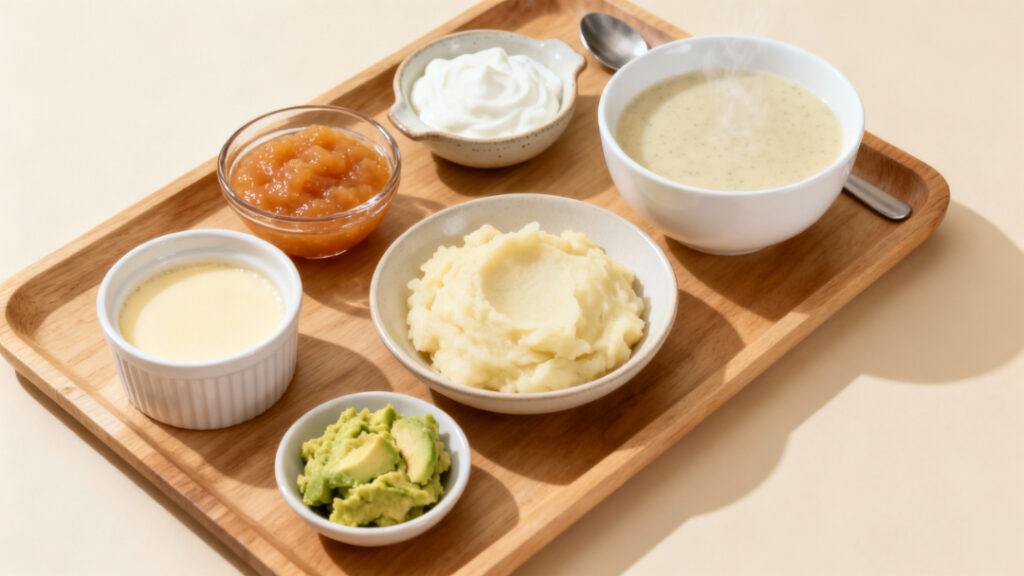
Choosing safe foods after tooth removal helps your body rebuild tissue, minimize irritation, and fight infection.
What to Eat (First 3–5 Days):
- Smoothies (no seeds)
- Mashed potatoes
- Applesauce
- Yogurt
- Broths or blended soups
- Protein shakes
What Nutrients You Need:
- Vitamin C: tissue repair (found in soft fruits)
- Zinc: immune support
- Collagen: connective tissue healing
- Protein: critical for rebuilding cells
Foods to Avoid:
- Crunchy chips or nuts
- Spicy or acidic dishes
- Sticky foods (like peanut butter)
- Anything requiring a straw
How to Clean Mouth After Wisdom Teeth Removal Without Disturbing Healing
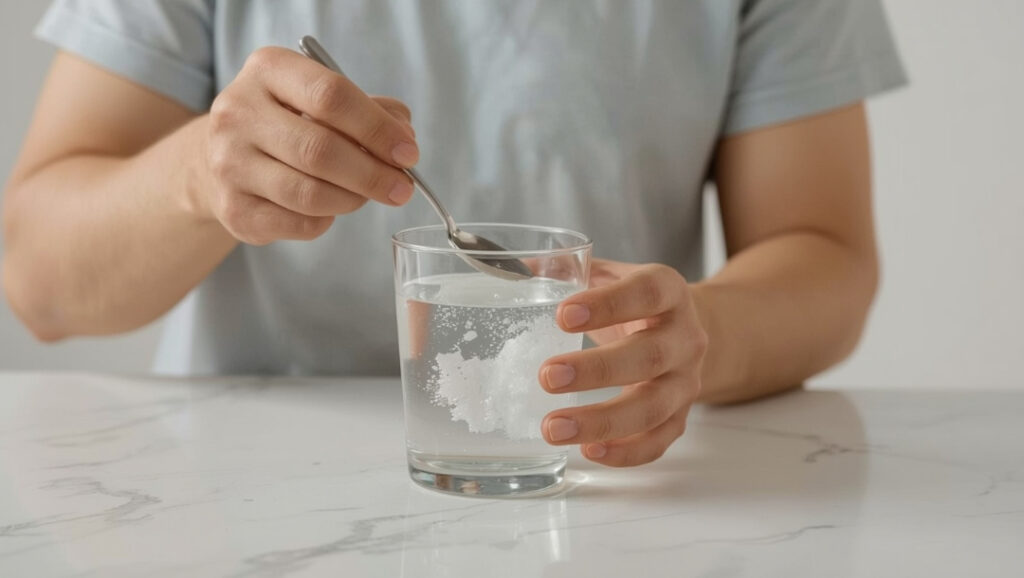
Good hygiene protects the wound from bacteria while supporting healthy healing.
Safe Cleaning Timeline:
- First 24 Hours: No brushing or rinsing
- Day 2 onward: Gently rinse with warm saltwater (½ tsp salt in 1 cup warm water), 3–4 times a day
- Avoid swishing — let the rinse sit and tilt out
Brushing:
- Brush all other teeth normally
- Avoid the extraction area for 3–5 days
- Don’t use electric toothbrushes near the site
Mouthwash:
Avoid anything alcohol-based. Ask Buford Dentist about chlorhexidine or other dentist-approved rinses.
How to Sleep After Wisdom Teeth Surgery for Faster Recovery

Your sleep habits can influence how well — and how fast — you heal.
Tips for Recovery-Focused Rest:
- Keep your head elevated using 2 pillows
- Sleep on your back to avoid pressure on your jaw
- Avoid sleeping on the side of the extraction
- Try to get at least 8 hours of sleep each night
- Minimize distractions that cause jaw tension (e.g., teeth grinding)
Stress and Healing:
- Elevated stress slows healing
- Mindfulness, meditation, and light breathing exercises can help
- Avoid work or physical stress for at least 3 days
Recovery Day by Day: Wisdom Teeth Healing Timeline
|
Day
|
What You May Feel
|
What You Should Do
|
|
0–1
|
Bleeding, discomfort
|
Bite down on gauze, use cold compress, rest, eat soft food
|
|
2–3
|
Swelling, peak inflammation
|
Continue icing, begin saltwater rinses
|
|
4–7
|
Bruising, mild soreness
|
Resume brushing, soft solids like eggs or soft pasta
|
|
7–14
|
Tissue rebuilding
|
Return to normal eating slowly, avoid hard foods
|
|
14+
|
Bone healing begins
|
Monitor healing, contact dentist if symptoms worsen
|
Use this chart to gauge your progress and call Buford Dentist if something feels off.
When to See a Dentist After Wisdom Teeth Removal

Sometimes things don’t go as planned — and catching issues early is key.
Call Buford Dentist If You Notice:
- Pain worsening after 3 days
- Bleeding that doesn’t stop after applying pressure
- Swelling increasing after day 3
- High fever or chills
- Persistent bad taste or pus
Nerve Damage Signs (Rare):
- Numb tongue or lips lasting more than 24 hours
- Tingling or electrical sensations
Never hesitate to call. Early action prevents serious complications.
Fast Wisdom Teeth Healing Tips You Haven’t Tried Yet

Pro Recovery Hacks:
- Use a jaw wrap or recovery band with built-in gel packs
- Add probiotics (via yogurt or supplements) to prevent bad bacteria
- Take short walks to boost circulation — but avoid jogging
- Do gentle jaw stretches after 72 hours to prevent stiffness
- Keep a recovery log — track pain levels, foods, meds
Essential Recovery Kit Checklist:
- Ice packs
- Gauze pads
- Salt packets
- Soft food items
- Medications
- Small cup for rinsing
- Pillow for elevation
- Antibiotic mouth rinse if prescribed
Long-Term Oral Health After Wisdom Tooth Extraction

Wisdom tooth removal can be the start of better oral health — but only if you treat it right.
Looking Ahead:
- Schedule a follow-up visit with Buford Dentist
- Keep up with cleanings and cavity prevention
- Ask about orthodontic evaluations if crowding was an issue
- Watch for shifting of remaining teeth if all wisdom teeth were removed
By staying proactive, you can recover faster now — and protect your smile for years to come.