Brushing your teeth with baking soda can be safe and effective for whitening and neutralizing acids, but it lacks fluoride and can be abrasive, potentially leading to enamel erosion over time. To minimize risks, use it sparingly and combine it with fluoride toothpaste for better oral health.
Many people swear by baking soda as a natural teeth whitener, but is it actually safe to use for brushing? The short answer: Yes, but with caution. Baking soda has mild abrasive properties that help remove surface stains and neutralize acidity in the mouth, but overuse can erode enamel and lead to increased sensitivity. Let’s break down the benefits and risks to determine the safest way to use it.
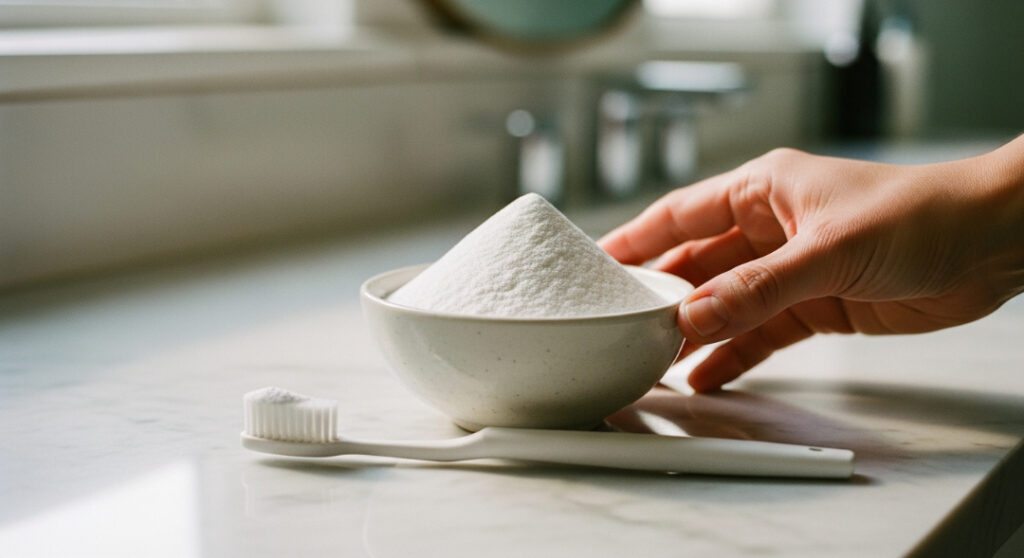
Baking soda, or sodium bicarbonate, is a mild abrasive with alkaline properties. When used for brushing, it works in three main ways:
However, unlike fluoride toothpaste, baking soda does not strengthen enamel or protect against cavities. This means it should not be used as a complete replacement for fluoride toothpaste.
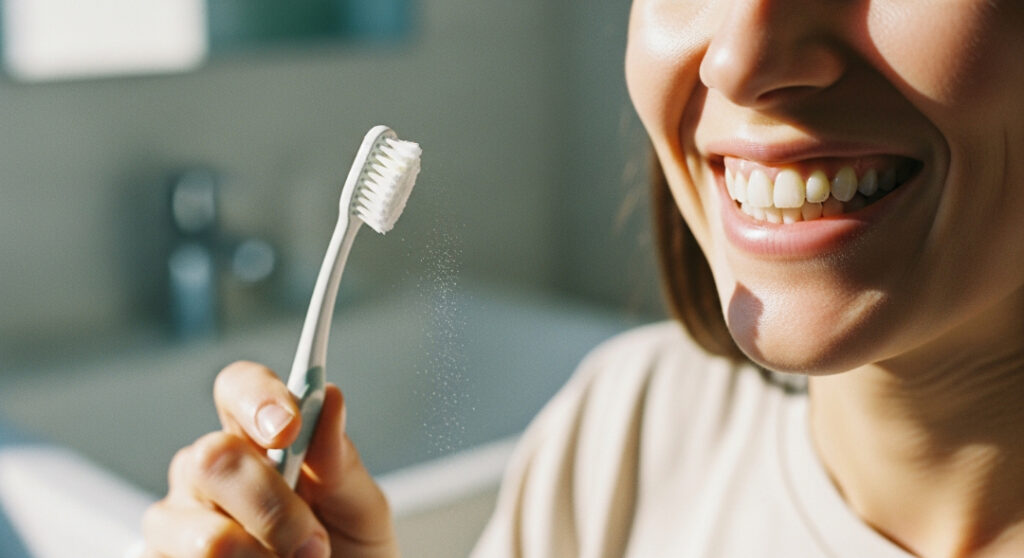
Baking soda is a common ingredient in many commercial Teeth Whitening toothpastes because it effectively removes surface stains. However, it does not change the natural color of teeth or whiten deep stains like professional treatments.
A high-acid diet can weaken enamel and promote cavities. Baking soda neutralizes these acids, creating an environment less hospitable to bacteria.
Research suggests that baking soda can reduce plaque buildup by breaking down biofilm, which is a sticky layer of bacteria that contributes to cavities and gum disease.
Baking soda is significantly cheaper than commercial toothpastes and is available in most households, making it an economical option for oral care.

Frequent use of baking soda can gradually wear down enamel, leading to increased sensitivity and vulnerability to cavities.
Fluoride is essential for strengthening enamel and preventing cavities. Baking soda alone does not contain fluoride, making it less effective at protecting against decay.
Because baking soda is abrasive, people with sensitive teeth may experience discomfort or worsening sensitivity with prolonged use.
If you have crowns, veneers, or braces, baking soda’s abrasiveness can damage their surface, potentially leading to discoloration or reduced lifespan.

To minimize the risks and maximize the benefits, follow these steps. For more expert advice on proper brushing techniques, check out Toothbrushing Tips from a Dentist.
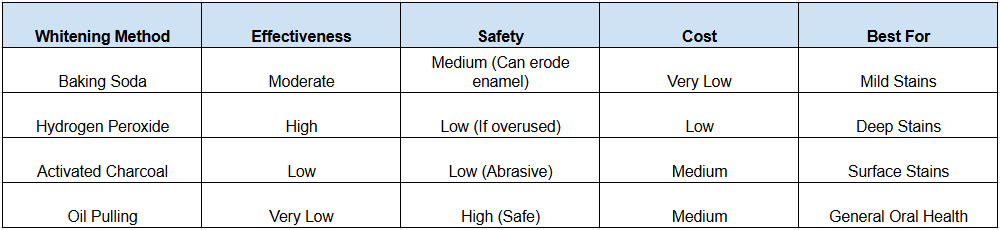
According to the American Dental Association (ADA), while baking soda can be beneficial in removing stains and neutralizing acidity, it should not be used as a standalone toothpaste because it lacks fluoride. Many dentists recommend using fluoride toothpaste with a small amount of baking soda occasionally for added whitening benefits.
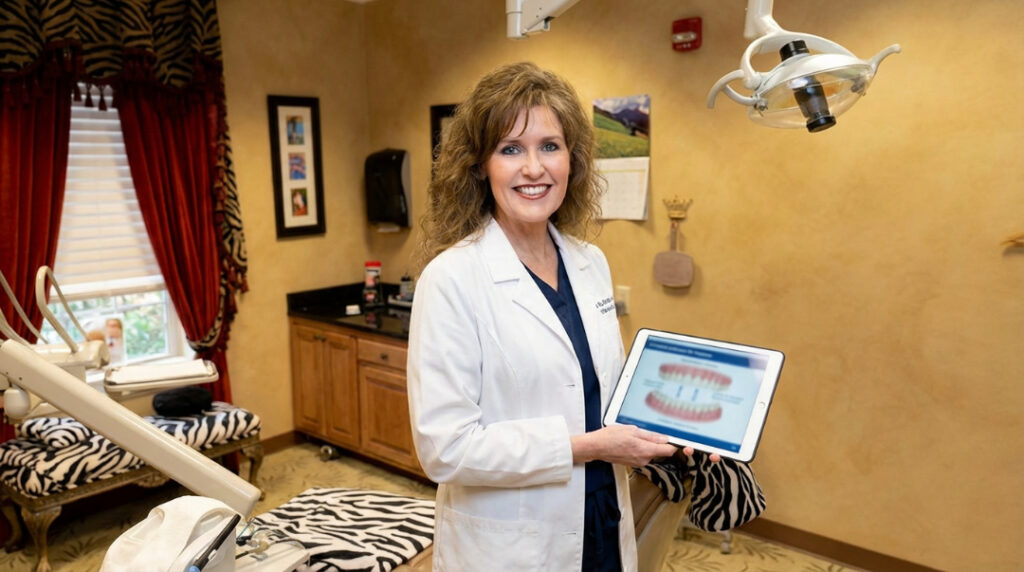
Additionally, studies have shown that while baking soda can be less abrasive than some commercial whitening toothpaste, overuse can still contribute to enamel wear over time. Consulting a dentist, such as those at Buford Dentist, can help determine if baking soda is a safe addition to your oral care routine.
Yes, and it’s actually a recommended way to reduce the abrasiveness of baking soda while benefiting from its stain-removing properties.
If used excessively or with too much pressure, baking soda can cause gum irritation and recession over time.
It is not recommended for young children, as they need fluoride protection for developing teeth, and baking soda’s abrasiveness may be too harsh.
Yes, baking soda neutralizes odors by balancing the pH in the mouth and reducing bacteria that cause bad breath.
Yes, but it should be done cautiously and only occasionally, as hydrogen peroxide can be harsh on gums and enamel.
Baking soda can be a useful supplement to your oral care routine but should not replace fluoride toothpaste. When used correctly and sparingly, it can help remove stains, freshen breath, and neutralize acidity. However, overuse can lead to enamel erosion and sensitivity. To maximize benefits while minimizing risks, use baking soda in combination with fluoride toothpaste and consult a dentist for personalized advice.
October 29, 2025
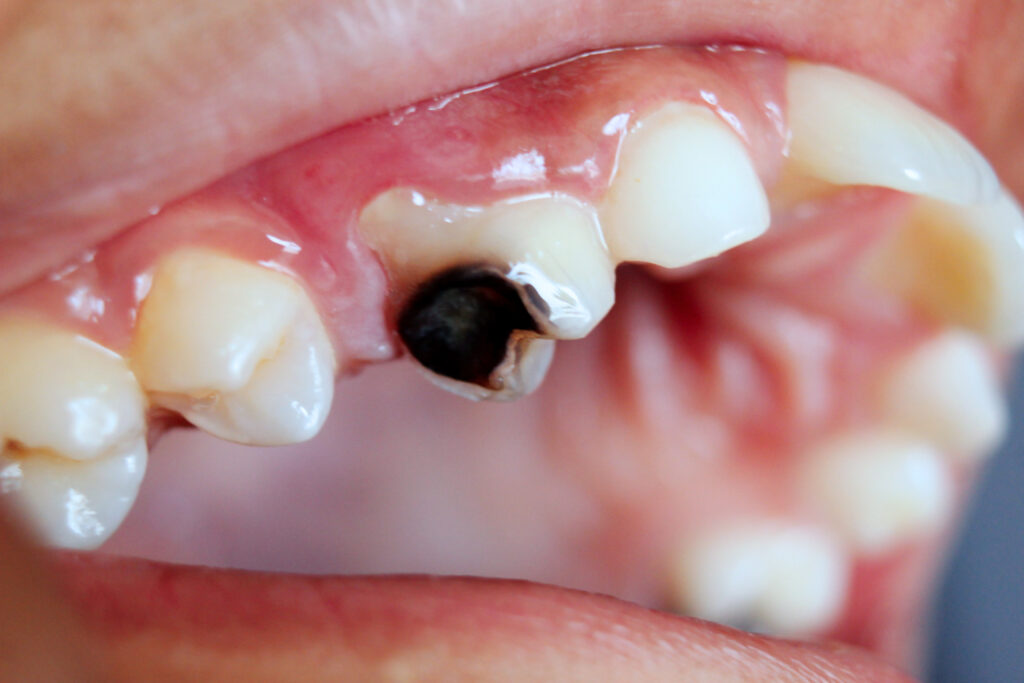
TLDR; Cavities do not heal on their own once a hole forms in the enamel. Early-stage tooth decay, known as enamel demineralization, can be reversed with proper care such as fluoride treatment, diet changes, and improved oral hygiene. Once the enamel is broken, professional dental treatment is required to stop further damage. Understanding Tooth Decay: From Enamel to Cavity To understand whether cavities can heal without fillings, you first need to know how they form. Tooth decay begins when bacteria in your mouth feed on sugars and produce acids that attack the enamel. This process is called demineralization. Over time, […]
Learn more
October 29, 2025
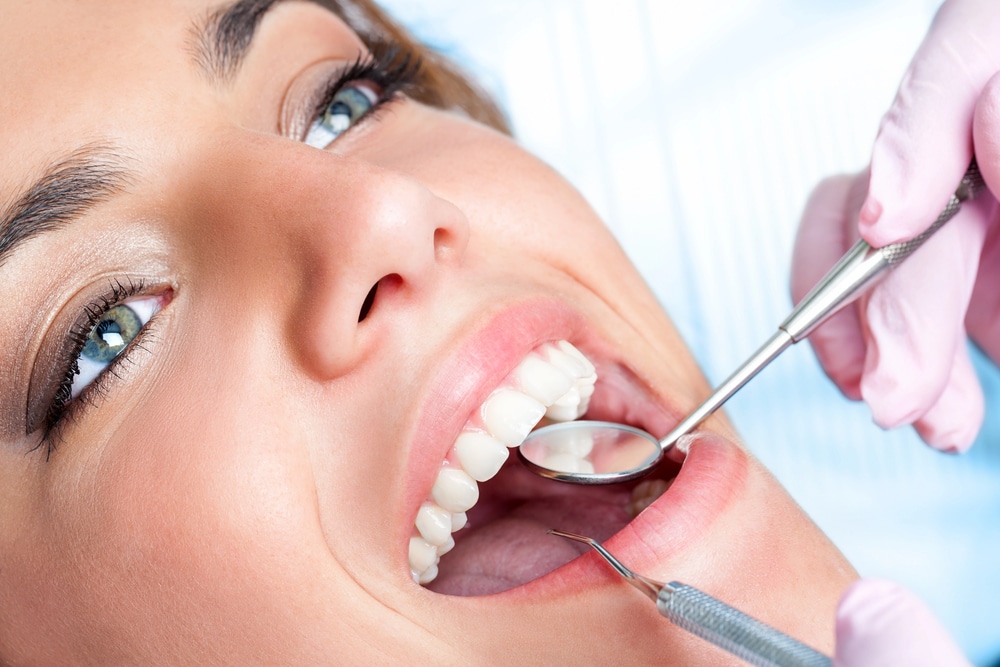
TLDR; Skipping dental cleanings for a year allows plaque to harden into tartar, which leads to gum disease, cavities, and potential tooth loss. Missing your annual cleaning also increases your risk of enamel erosion, bad breath, and higher treatment costs in the future. Regular professional cleanings at Buford Dentist protect both your oral and overall health. Why Professional Dental Cleanings Matter Professional dental cleanings are more than cosmetic. They are preventive care. A dental hygienist removes plaque and tartar that brushing and flossing leave behind. They also check for early signs of gum disease, tooth decay, and even oral cancer. […]
Learn more
October 29, 2025
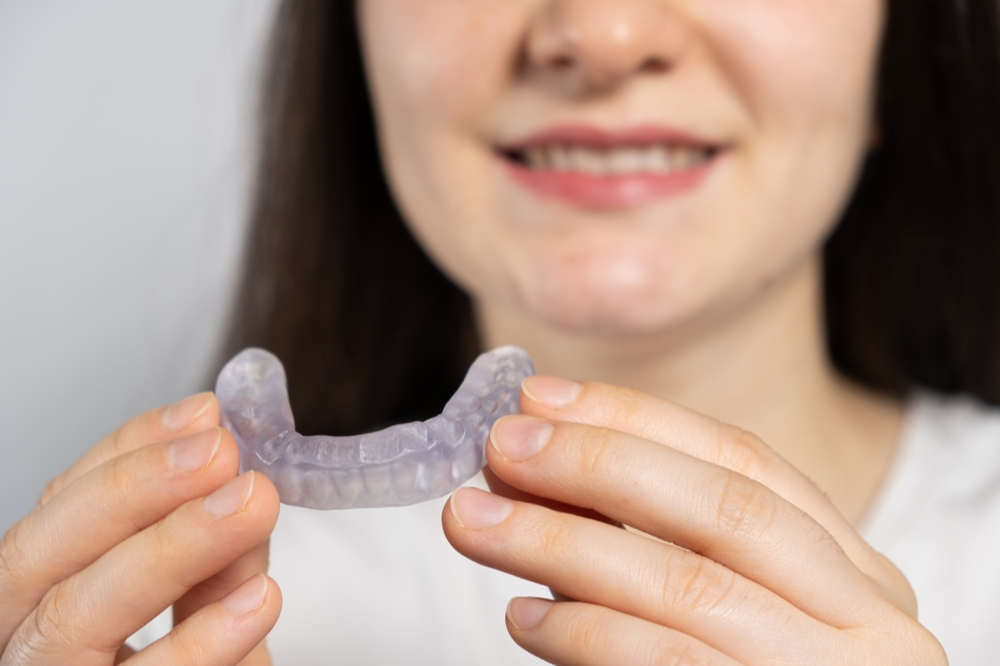
TLDR; Yes, night guards help relieve TMJ symptoms by reducing teeth grinding and clenching that strain the jaw joint. They cushion the bite, protect teeth from wear, and promote muscle relaxation, but effectiveness depends on getting a custom-fitted guard from a qualified dentist like Buford Dentist. Understanding TMJ and Why It Hurts The temporomandibular joint, or TMJ, connects your jawbone to your skull. It is one of the most complex joints in the body, responsible for chewing, speaking, and swallowing. When the joint becomes strained or inflamed, it leads to temporomandibular joint disorder, or TMD. Common symptoms include: Jaw pain […]
Learn more
August 26, 2025
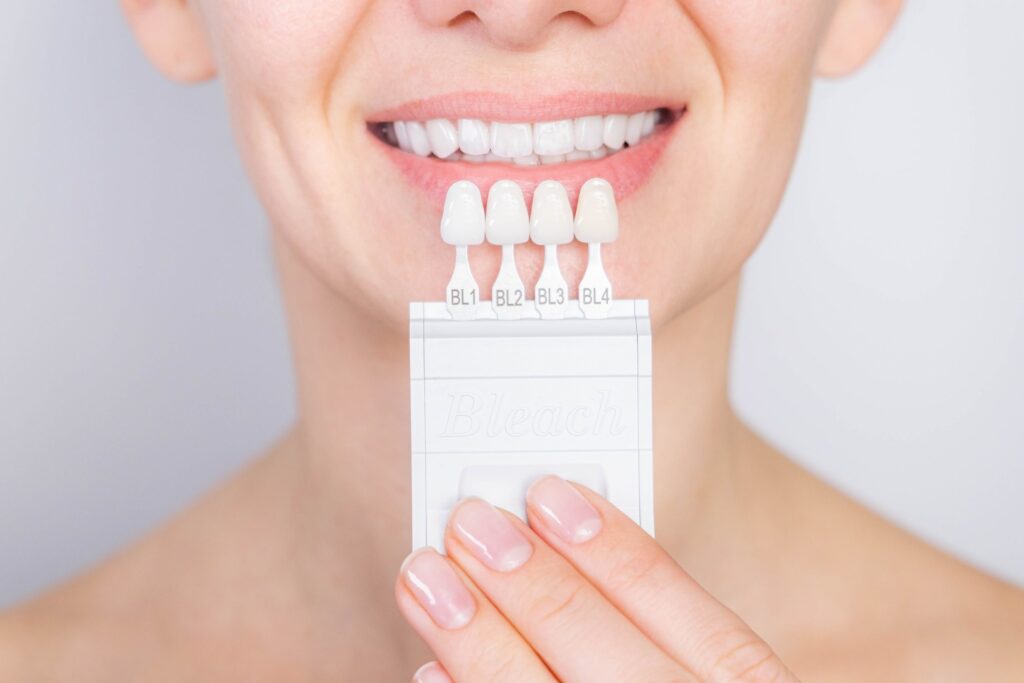
TLDR; Veneers are worth it if you want a fast, lasting way to improve your smile, provided you choose a qualified dentist and understand the costs, upkeep, and limitations. They deliver dramatic cosmetic results but involve permanent changes to your teeth and are not suited for every dental situation. Understanding Veneers and Their Types Veneers are thin shells bonded to the front of your teeth to improve appearance. They are custom-made to match the shape, size, and color you want. Main types include: Porcelain veneers – Durable, stain-resistant, and lifelike. Composite veneers – More affordable but less durable and prone […]
Learn more
August 22, 2025
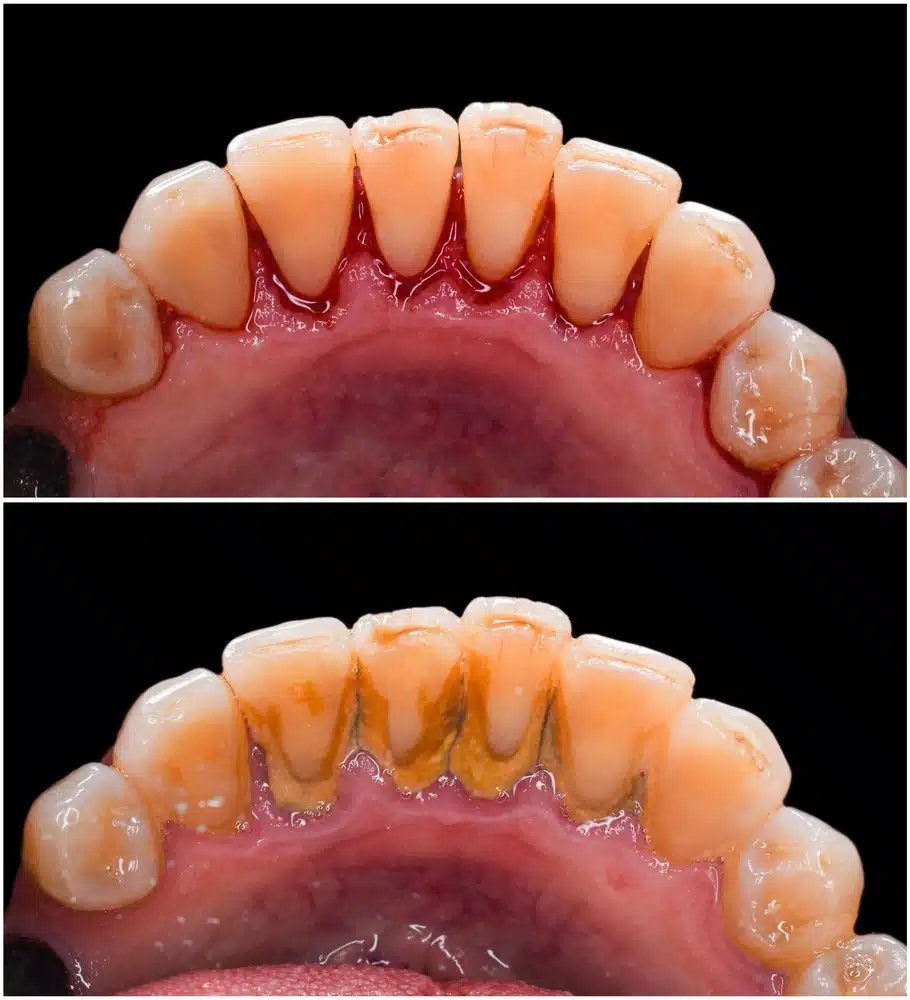
TLDR; A regular dental cleaning, or prophylaxis, removes plaque and tartar above the gumline to maintain healthy teeth and gums. A deep cleaning, or scaling and root planing, removes plaque and tartar below the gumline and smooths tooth roots to treat gum disease. The main difference is prevention versus treatment. Regular Dental Cleaning: Dental Prophylaxis Definition and Purpose A regular dental cleaning is a preventive procedure for patients with healthy gums. It removes soft and hardened plaque above the gumline to prevent cavities and gum disease. Steps in a Regular Cleaning Dental exam to check for cavities and gum health […]
Learn more
August 21, 2025
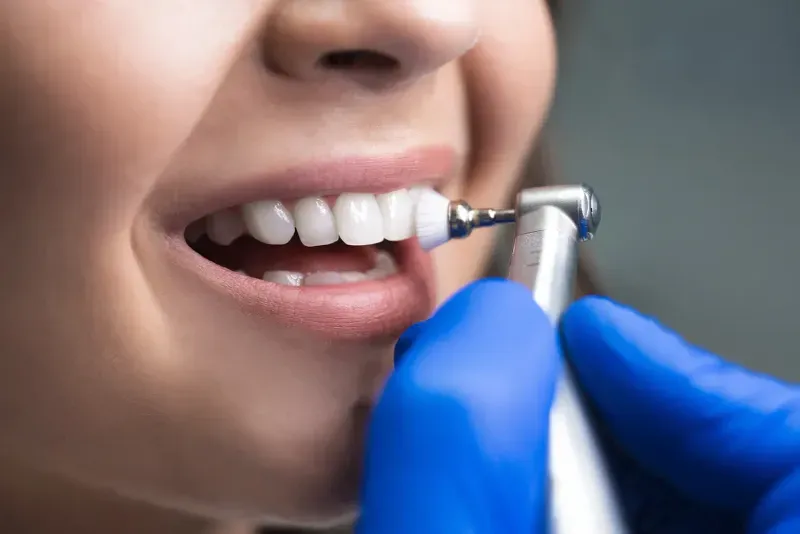
TLDR; Most people should schedule a dental cleaning every six months to maintain healthy teeth and gums. Those with gum disease, high cavity risk, or other oral health concerns may need cleanings every three to four months, while individuals with excellent oral health could extend to once a year with a dentist’s approval. Why Dental Cleanings Matter for Long-Term Oral Health Dental cleanings are essential for more than just a bright smile. They remove hardened plaque, called tartar, that regular brushing and flossing cannot eliminate. They also allow for early detection of gum disease, cavities, and other issues before they […]
Lorem ipsum dolor sit amet, consectetur adipiscing elit, sed do eiusmod tempor incididunt ut labore et dolore magna aliqua. Ut enim ad minim veniam, quis nostrud exercitation ullamco laboris nisi ut aliquip ex ea commodo consequat.
Learn More
How to Change my Photo from Admin Dashboard?
Far far away, behind the word mountains, far from the countries Vokalia and Consonantia, there live the blind texts. Separated they live in Bookmarksgrove right at the coast
How to Change my Password easily?
Far far away, behind the word mountains, far from the countries Vokalia and Consonantia, there live the blind texts. Separated they live in Bookmarksgrove right at the coast
How to Change my Subscription Plan using PayPal
Far far away, behind the word mountains, far from the countries Vokalia and Consonantia, there live the blind texts. Separated they live in Bookmarksgrove right at the coast