TLDR;
Yes, poor sleep habits and an uncomfortable mattress often trigger or worsen TMJ issues. Bad sleep posture, teeth grinding, and lack of proper neck support increase strain on the jaw joint, while an unsupportive mattress or pillow misaligns the spine and jaw, causing morning pain and stiffness.
Understanding TMJ Disorders and Poor Sleep
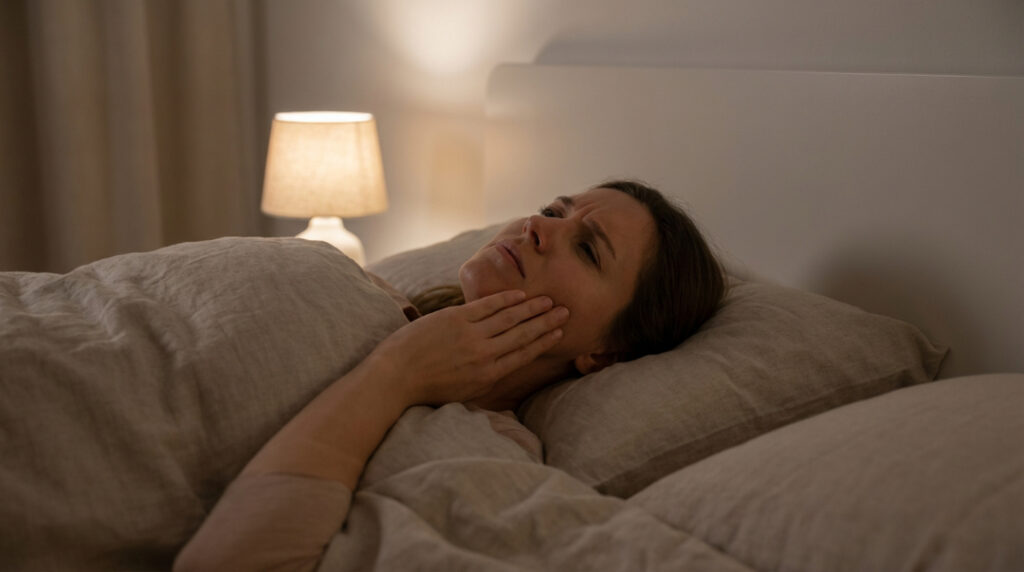
TMJ, or temporomandibular joint disorder, refers to problems affecting the hinge joint that connects your jaw to your skull. This joint allows you to talk, chew, and yawn.
Common symptoms include:
- Jaw pain or stiffness
- Clicking or popping sounds when moving the jaw
- Locking of the jaw
- Headaches or earaches
- Facial pain or tenderness
Research shows that mechanical stress, poor posture, and muscle tension play a direct role in worsening TMJ pain. In fact, many patients ask, can TMJ affect your posture? The connection goes both ways—misalignment in the spine can strain the jaw, while TMJ tension can disrupt posture. Sleep habits and your mattress are two overlooked but critical factors.
How Sleep Habits Impact TMJ Health
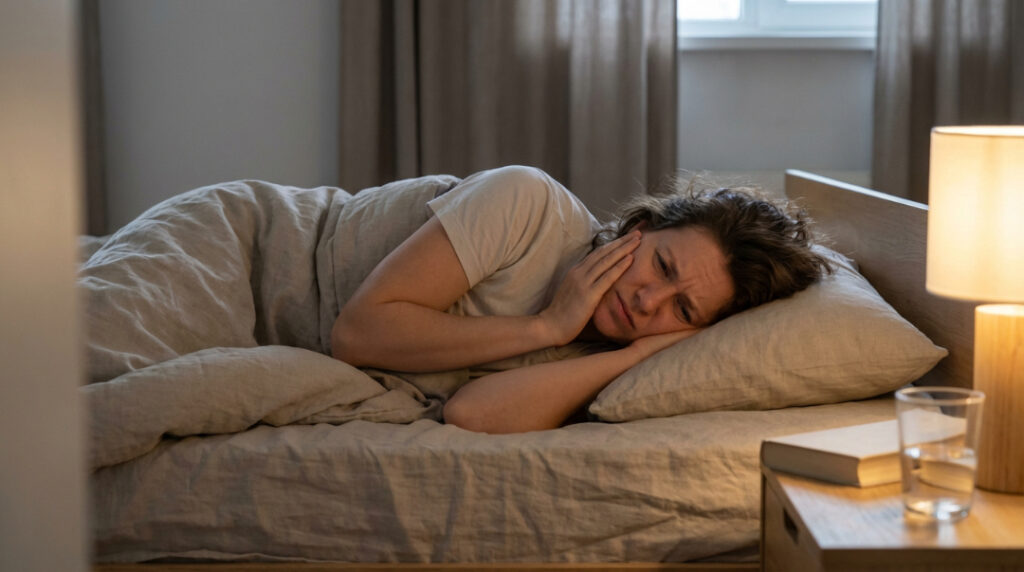
Sleep posture and jaw alignment
The way you sleep influences jaw tension.
- Sleeping on your stomach forces your head to one side, straining neck and jaw muscles.
- Side sleeping can increase uneven pressure if the pillow is too high or too low.
- Back sleeping supports neutral jaw alignment and reduces unnecessary stress.
Transitioning positions helps reduce strain. Use pillows behind your knees or sides to train your body to remain on your back. Adjust pillow height so your head stays aligned with your spine.
Sleep hygiene and nightly routines
Poor sleep routines worsen TMJ issues by increasing body tension.
- Irregular schedules keep muscles from getting restorative rest.
- Screen use before bed overstimulates the nervous system.
- Stress before bedtime raises the risk of jaw clenching.
Practical steps include:
- Keeping a consistent sleep schedule
- Avoiding screens one hour before bed
- Practicing jaw stretches or relaxation techniques
Bruxism and teeth grinding at night
Bruxism, or nighttime teeth grinding, is closely tied to stress and poor sleep quality. It overworks the jaw joint and causes enamel wear.
Signs of bruxism:
- Waking with jaw soreness
- Flattened or chipped teeth
- Morning headaches
Night guards from your dentist help reduce grinding pressure, but addressing sleep quality lowers the root cause.
Mattress Affecting TMJ and Neck Alignment

Mattress firmness and support
A supportive mattress keeps your spine and jaw in alignment. If your mattress is too soft, your body sinks and your neck tilts. If it is too firm, pressure builds on your shoulders and jaw.
Types of mattresses:
- Memory foam: evenly distributes weight and supports spinal alignment
- Latex: firm but contouring, keeps neck and jaw stable
- Hybrid: combines coils and foam for balanced support
- Adjustable beds: allow fine-tuned positioning for head and jaw relief
A mattress past 7–10 years of use often loses support and should be replaced.
Pillow height and material
Pillows directly influence jaw alignment. A pillow that is too high tilts the head forward, tightening jaw muscles. Too flat, and your neck collapses backward.
Tips:
- Choose medium-height pillows that keep the head aligned with the spine
- Memory foam or cervical pillows often provide better contouring
- Avoid multiple stacked pillows that misalign the jaw
Environmental factors in the bedroom
The sleep environment plays a role in TMJ discomfort:
- A room that is too hot or too cold disrupts deep sleep
- Noise interruptions increase body tension
- Poor air quality worsens breathing and may increase clenching
Signs Your Mattress or Sleep Habits Are Worsening TMJ

- Jaw stiffness upon waking
- Increased facial pain or pressure headaches
- Ear discomfort or ringing
- Chipped or flattened teeth
- Poor quality sleep with frequent waking
If these symptoms appear consistently, your mattress or sleep posture may be contributing.
Adjusting Sleep Habits to Prevent Jaw Pain in the Morning
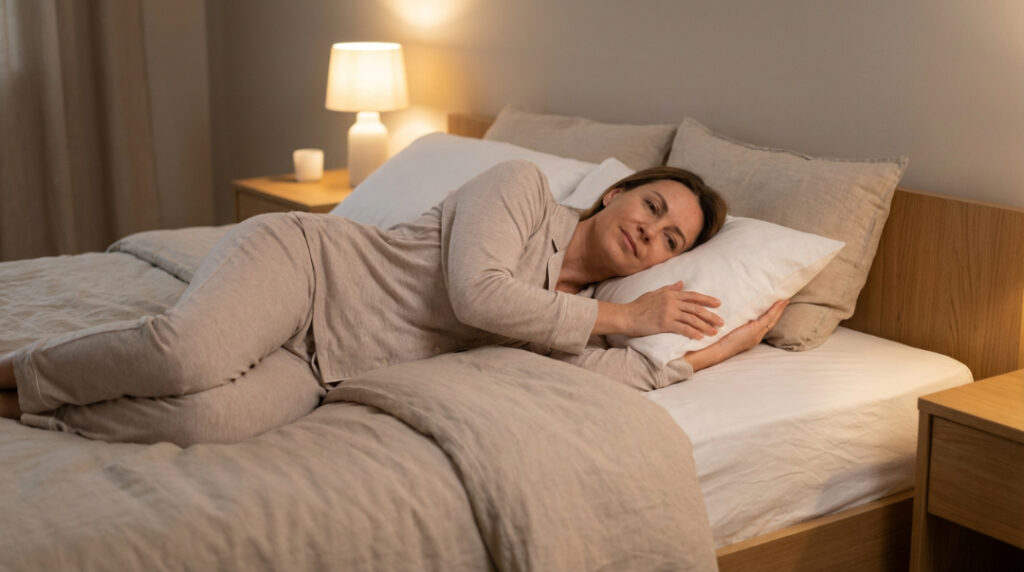
Best sleep positions to reduce TMJ symptoms
- Back sleeping is best for neutral alignment
- Side sleeping is acceptable if the pillow keeps the head level
- Avoid stomach sleeping completely
If you struggle to change habits, use body pillows or rolled towels to stabilize your position.
Choosing the right mattress and pillow
When buying a mattress:
- Test firmness in-store to check spinal alignment
- Replace old mattresses showing sagging
- Look for certifications such as CertiPUR for foams
For pillows:
- Choose designs labeled for cervical or orthopedic support
- Ensure the pillow fills the gap between neck and shoulders
- Wash or replace pillows every 1–2 years for proper loft
Relaxation and stress management before bed
Stress often drives jaw clenching. Add these practices:
- Breathing exercises for 5 minutes
- Gentle jaw and neck stretches
- Meditation or soft music to relax facial muscles
Lifestyle changes for better sleep and TMJ relief
- Limit caffeine and alcohol before bedtime
- Eat soft foods in the evening if jaw pain is present
- Stay hydrated to keep muscles from tightening overnight
When Mattress and Sleep Changes Are Not Enough

Sometimes adjustments are not enough to control TMJ pain. In these cases, professional help is important.
Options include:
- Oral appliances or night guards from your dentist
- Physical therapy focused on jaw mobility and posture
- Medical consultation with a TMJ specialist
- Sleep studies if sleep apnea or snoring contribute to strain
Buford Dentist provides treatment options tailored for TMJ pain, including night guards, relaxation guidance, and referrals for therapy when needed.
Case Example: TMJ Relief After Sleep Changes

A patient experienced daily jaw pain and headaches despite using a mouthguard. Their mattress was sagging and their pillow too thick. After replacing both with supportive options and learning back-sleeping techniques, jaw pain reduced within weeks. This demonstrates how sleep environment often plays a larger role than expected.
FAQs About TMJ, Sleep, and Mattresses
Can a mattress cause TMJ issues?
Yes. A mattress that lacks support misaligns the spine and jaw, leading to muscle strain.
What sleep position helps TMJ?
Back sleeping with a supportive pillow is the most effective position.
How long before noticing improvement after changes?
Some people see results within a few weeks, while others take longer depending on severity.
Does TMJ affect sleep apnea?
Yes, TMJ and sleep apnea often overlap. Poor airway function can increase clenching and worsen joint strain.
Are some mattress types worse for TMJ?
Old spring mattresses with uneven support often worsen symptoms. Foam and latex tend to provide better alignment.
TMJ Disorders and Better Sleep Quality
Addressing TMJ requires more than treating the jaw alone. Poor sleep habits and an unsupportive mattress often drive symptoms. By improving sleep posture, replacing worn-out bedding, and following stress management practices, many people experience lasting relief. For persistent pain, Buford Dentist offers professional solutions tailored to your specific needs.