TLDR;
Yes, stress at home worsens TMJ symptoms. Stress leads to jaw clenching, teeth grinding, muscle tension, and inflammation that increase jaw pain and discomfort. By identifying home stress triggers and applying targeted strategies, you reduce flare-ups and protect your temporomandibular joint health.
Stress and TMJ Connection

Stress at home worsens TMJ because it activates the body's stress response. This increases tension in the muscles that control the jaw. Over time this tension irritates the temporomandibular joint, leading to pain and dysfunction.
Key connections between stress and TMJ:
- Emotional stress triggers jaw clenching and bruxism.
- Cortisol released during stress increases inflammation in muscles and joints.
- Heightened sensitivity under stress makes pain feel stronger.
- Repeated stress creates a cycle of clenching and pain that is hard to break.
Why Home Stress Worsens TMJ Symptoms

Home is where people often feel safe, but stressors at home create unique risks for TMJ. Family tension, multitasking, poor workspace setups, and sleep disruption all strain the jaw.
From Emotional Tension to Jaw Clenching
When you feel stressed, your body enters fight-or-flight mode. Your jaw muscles tighten without you noticing. Prolonged tightness leads to bruxism and joint irritation.
Common Home Triggers
- Remote work with poor ergonomics
- Long video calls without breaks
- Noise from family or household activity
- Financial or relationship stress
- Poor sleep environment
- Clutter or chaotic routines
Stress-Pain-Anxiety Cycle
Stress causes clenching. Clenching causes pain. Pain increases anxiety, which triggers more stress. Without intervention, this cycle leads to chronic TMJ flare-ups.
TMJ Symptoms and Stress
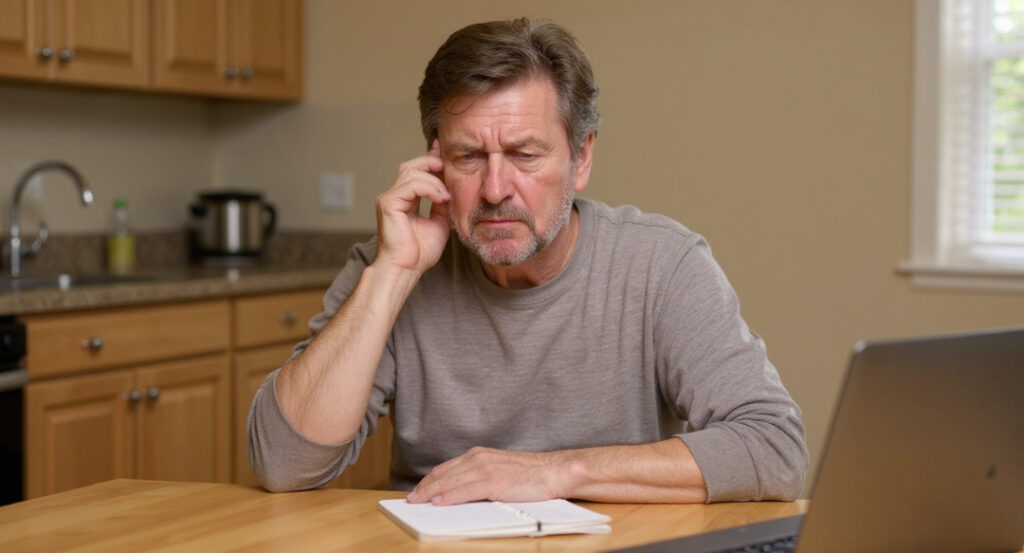
Identifying symptoms linked to home stress helps you know when intervention is needed.
Morning Signs to Watch For
- Jaw soreness after waking
- Headaches near the temples
- Tooth sensitivity from grinding
- Stiffness in the face or neck
Behavior-Symptom Patterns
- Jaw fatigue after video calls
- Pain spikes during family arguments
- Soreness after long household chores
- Increased jaw tightness during late-night worrying
Subtle Indicators Beyond the Jaw
- Earaches or ear fullness
- Dull headaches after stressful evenings
- Shoulder and neck tightness
- Irritability linked to jaw discomfort
Real-Life Home Scenarios

Remote Worker Jaw
Working from home leads to long periods of jaw tension. Poor screen height and extended meetings often leave workers clenching unconsciously.
Evening Stress After Kids Sleep
Parents often clench their jaw while cooking, cleaning, or planning the next day. Stress during these hours translates into bruxism at night.
Weekend Overload
Household chores, social obligations, and financial discussions pile up. Stress builds and leads to nighttime jaw grinding.
Jaw Pain From Home Stress

Jaw pain linked to home stress feels sharper and more persistent because the muscles rarely rest. Unlike short bursts of stress at work, home triggers last for hours.
Can TMJ issues be triggered by poor sleep habits? Poor sleep quality or uncomfortable sleeping positions can intensify jaw tension overnight and make morning pain worse.
Pain signals to monitor:
- Clicking or popping sounds when opening your mouth
- Tightness spreading from the jaw to the temples
- Locking or difficulty opening the mouth fully
- Ear ringing or pressure during stressful evenings
Holistic Relief Strategies

Immediate Relaxation Habits
- Deep breathing during stressful calls
- Progressive muscle relaxation before bed
- Short mindfulness breaks after household arguments
Ergonomics and Posture at Home
- Adjust chair height for proper alignment
- Keep screens at eye level
- Use reminders to relax shoulders and unclench jaw
Jaw-Friendly Routines
- Gentle stretching of jaw muscles
- Light self-massage along the cheeks
- Using apps that remind you to relax your jaw
Environment Tweaks
- Calming lighting to reduce evening stress
- Aromatherapy with lavender or chamomile
- Soft background music to mask noise triggers
Behavioral Interventions
- Journaling to process home stress
- Biofeedback tools to track clenching habits
- CBT-based exercises to manage anxious thoughts
When to Use Clinical Aids
- Night guards to reduce grinding damage
- Referral to physical therapy for persistent tension
- Dental evaluation at Buford Dentist for long-term solutions
Emotional Well-being and TMJ Relief

Talking About Stress
Acknowledging stress reduces the pressure you feel to hide it. Discussing stress with family members helps prevent conflict-driven clenching.
Small Behavioral Shifts
- Taking short breaks during family tasks
- Setting boundaries for work-at-home hours
- Planning weekend recovery time instead of overloading chores
Seeking Counsel
When stress becomes chronic, counseling or therapy provides tools to manage it effectively. Mental health care often reduces TMJ flare-ups by controlling the root trigger.
FAQs
Can stress at home cause TMJ or only worsen it?
Stress does not cause TMJ alone. It worsens existing problems by straining muscles and joints.
Why does jaw pain feel worse after a stressful evening?
Stress increases muscle tension and pain sensitivity. This makes nighttime clenching more damaging.
What fast relief works after a tense call?
Apply a warm compress, massage the jaw, and take five minutes for deep breathing.
Is teeth grinding treatable without a night guard?
Yes, through relaxation training, posture correction, and stress management. Night guards are one option, not the only one.
How long before mindfulness helps TMJ?
Consistent practice shows improvement within weeks. The key is regular use of relaxation techniques.
Tips for Reducing TMJ Flare-Ups Due to Home Stress

- Identify specific home stress triggers
- Set up ergonomic workspaces
- Maintain a consistent sleep schedule
- Limit chewy or hard foods during flare-ups
- Practice jaw relaxation before sleep
- Seek support from Buford Dentist if symptoms persist
Stress and TMJ Connection Moving Forward

Stress at home worsens TMJ symptoms by fueling clenching, grinding, and inflammation. Relief requires both physical and emotional strategies. By improving ergonomics, adopting relaxation routines, and addressing emotional stress, you lower the frequency and intensity of flare-ups. Buford Dentist offers professional evaluation and treatment options when home care is not enough.