Dental implants are a long-term solution for replacing missing teeth, offering durability, improved oral function, and a natural appearance. The Dental Implant Procedure involves multiple stages, including consultation, surgery, healing, and crown placement. While highly effective, implants require sufficient bone density, proper oral hygiene, and can be costly.

A dental implant is a permanent tooth replacement option consisting of a titanium post that acts as a tooth root, an abutment, and a crown that mimics a natural tooth. Unlike dentures or bridges, implants fuse with the jawbone (osseointegration), ensuring long-term stability and preventing bone loss.
There are two main types:

A dentist at Buford Dentist will assess your oral health, bone density, and overall suitability for implants through X-rays or CT scans. Conditions like gum disease or bone loss may require treatment before implantation.

Ideal candidates:
Not everyone is eligible for implants. If you're wondering whether you qualify, check out our detailed guide on Candidate for Dental Implants to see if this treatment is right for you.
Certain conditions (e.g., diabetes, osteoporosis, smoking) may affect healing and increase implant failure risks. In such cases, Buford Dentist may recommend alternative options like bridges or dentures. However, for patients missing several teeth, Multiple Tooth Implants can provide a stable and long-lasting solution.


The cost depends on factors such as:
A single implant can range from $3,000 to $6,000, while full-mouth implants can exceed $20,000. Some dental insurance plans cover parts of the procedure, but financing options are also available at Buford Dentist.

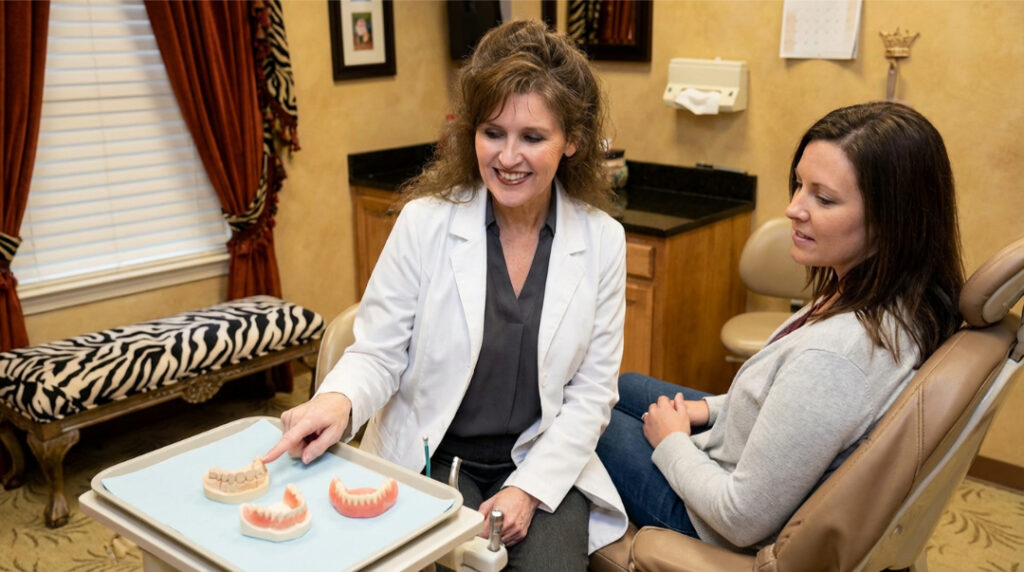
If implants aren’t suitable, other options include:
The procedure is done under anesthesia, so pain is minimal. Some discomfort during recovery is expected but manageable with medication.
With proper care, implants can last 20 years or more, often a lifetime.
Yes, if you prioritize durability, aesthetics, and oral health. Despite the upfront cost, their longevity and benefits outweigh alternatives.
Dental implants are a life-changing solution for those with missing teeth, offering unparalleled stability, function, and aesthetics. However, they require commitment in terms of cost, time, and proper maintenance. If you're considering dental implants, Buford Dentist can guide you through the process, ensuring the best possible outcome.
October 29, 2025
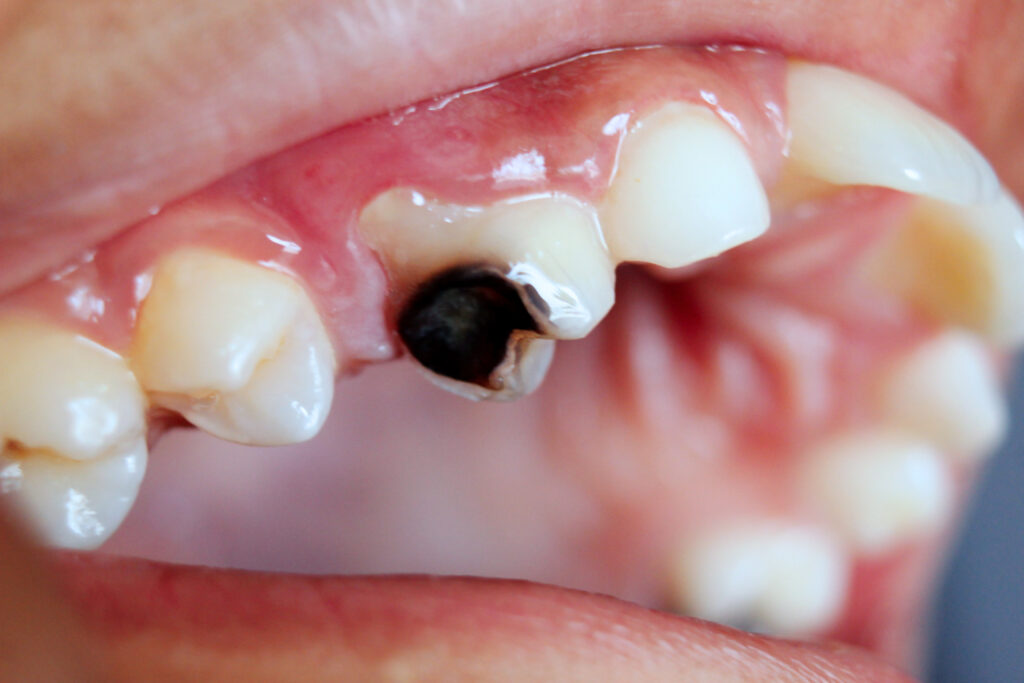
TLDR; Cavities do not heal on their own once a hole forms in the enamel. Early-stage tooth decay, known as enamel demineralization, can be reversed with proper care such as fluoride treatment, diet changes, and improved oral hygiene. Once the enamel is broken, professional dental treatment is required to stop further damage. Understanding Tooth Decay: From Enamel to Cavity To understand whether cavities can heal without fillings, you first need to know how they form. Tooth decay begins when bacteria in your mouth feed on sugars and produce acids that attack the enamel. This process is called demineralization. Over time, […]
Learn more

October 29, 2025
TLDR; Skipping dental cleanings for a year allows plaque to harden into tartar, which leads to gum disease, cavities, and potential tooth loss. Missing your annual cleaning also increases your risk of enamel erosion, bad breath, and higher treatment costs in the future. Regular professional cleanings at Buford Dentist protect both your oral and overall health. Why Professional Dental Cleanings Matter Professional dental cleanings are more than cosmetic. They are preventive care. A dental hygienist removes plaque and tartar that brushing and flossing leave behind. They also check for early signs of gum disease, tooth decay, and even oral cancer. […]
Learn more
October 29, 2025
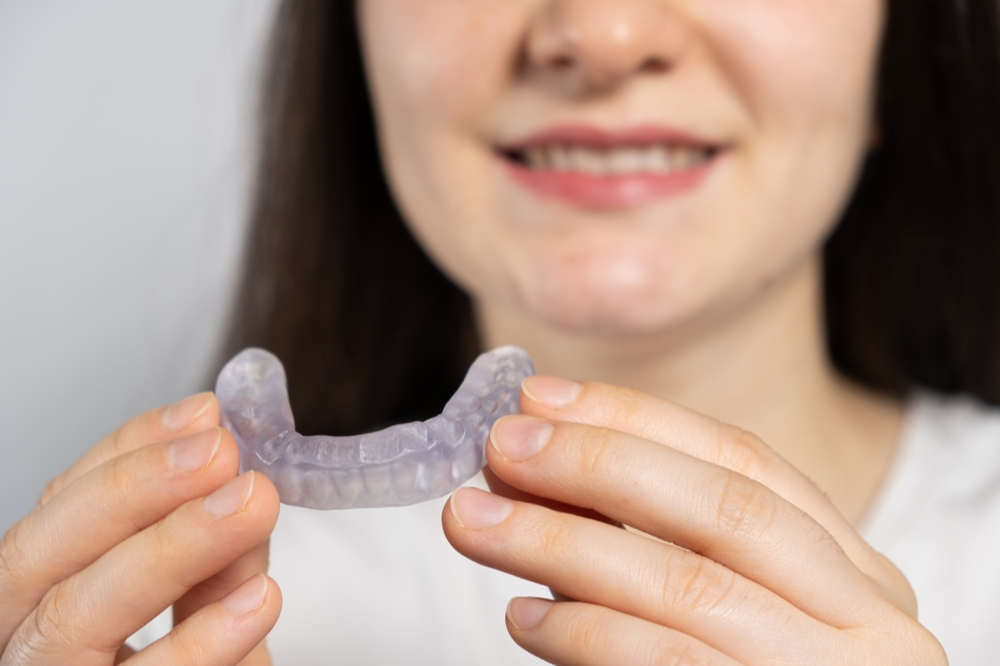
TLDR; Yes, night guards help relieve TMJ symptoms by reducing teeth grinding and clenching that strain the jaw joint. They cushion the bite, protect teeth from wear, and promote muscle relaxation, but effectiveness depends on getting a custom-fitted guard from a qualified dentist like Buford Dentist. Understanding TMJ and Why It Hurts The temporomandibular joint, or TMJ, connects your jawbone to your skull. It is one of the most complex joints in the body, responsible for chewing, speaking, and swallowing. When the joint becomes strained or inflamed, it leads to temporomandibular joint disorder, or TMD. Common symptoms include: Jaw pain […]
Learn more
August 26, 2025
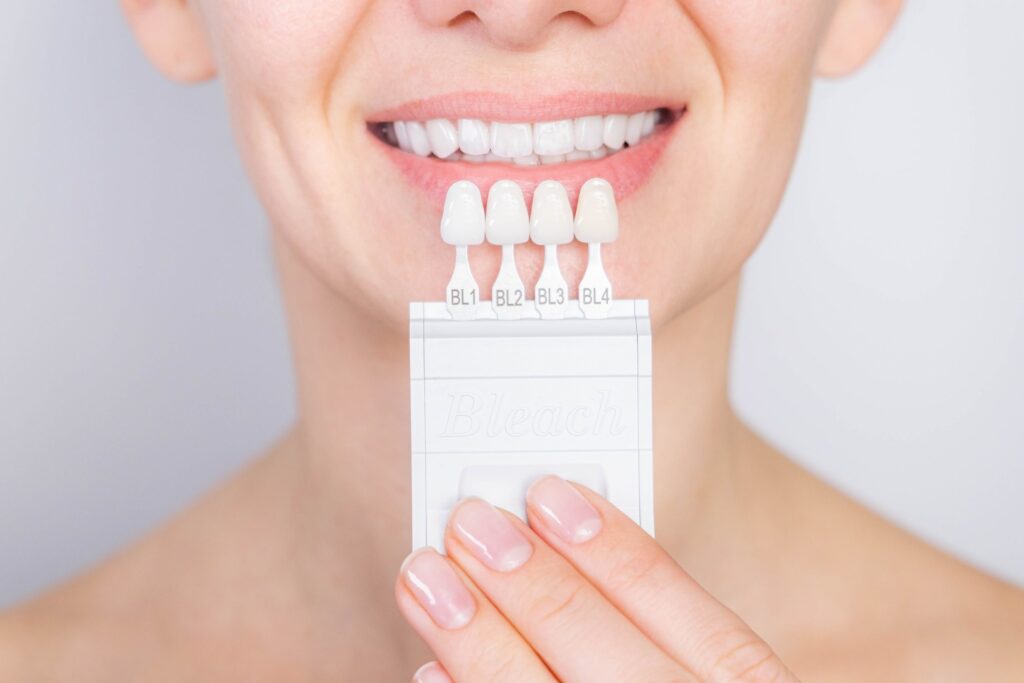
TLDR; Veneers are worth it if you want a fast, lasting way to improve your smile, provided you choose a qualified dentist and understand the costs, upkeep, and limitations. They deliver dramatic cosmetic results but involve permanent changes to your teeth and are not suited for every dental situation. Understanding Veneers and Their Types Veneers are thin shells bonded to the front of your teeth to improve appearance. They are custom-made to match the shape, size, and color you want. Main types include: Porcelain veneers – Durable, stain-resistant, and lifelike. Composite veneers – More affordable but less durable and prone […]
Learn more
August 22, 2025
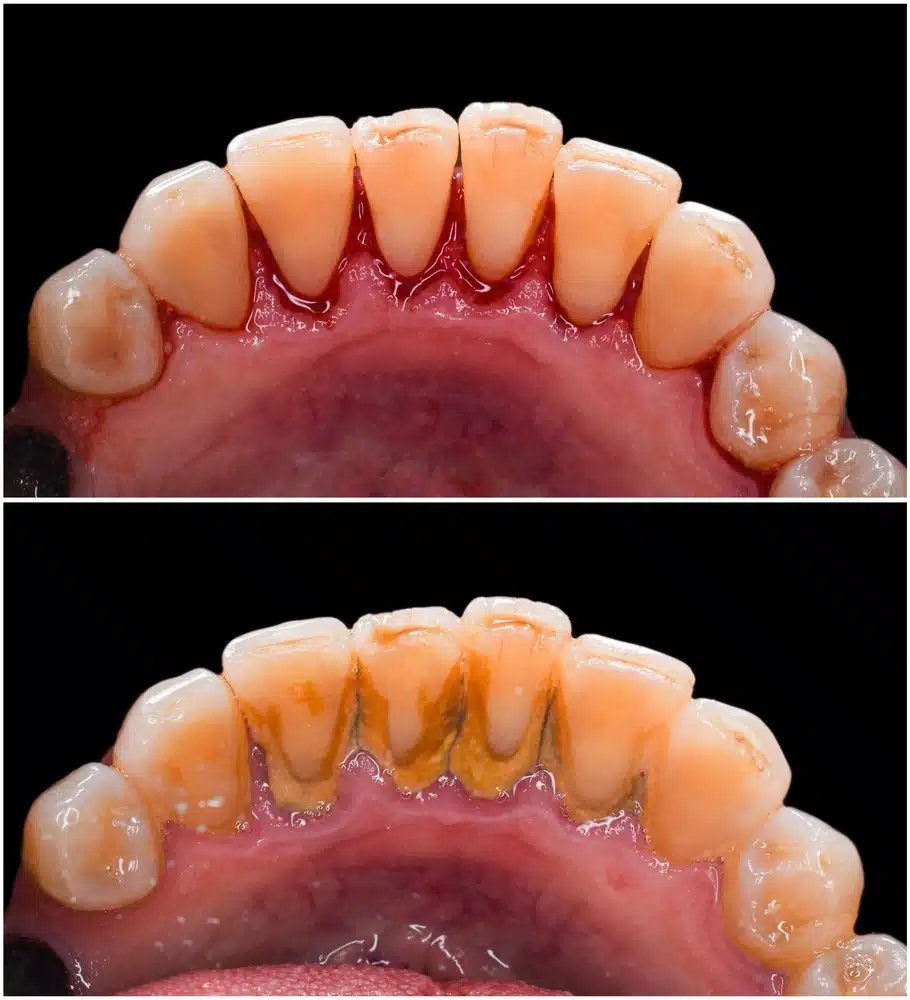
TLDR; A regular dental cleaning, or prophylaxis, removes plaque and tartar above the gumline to maintain healthy teeth and gums. A deep cleaning, or scaling and root planing, removes plaque and tartar below the gumline and smooths tooth roots to treat gum disease. The main difference is prevention versus treatment. Regular Dental Cleaning: Dental Prophylaxis Definition and Purpose A regular dental cleaning is a preventive procedure for patients with healthy gums. It removes soft and hardened plaque above the gumline to prevent cavities and gum disease. Steps in a Regular Cleaning Dental exam to check for cavities and gum health […]
Learn more
August 21, 2025
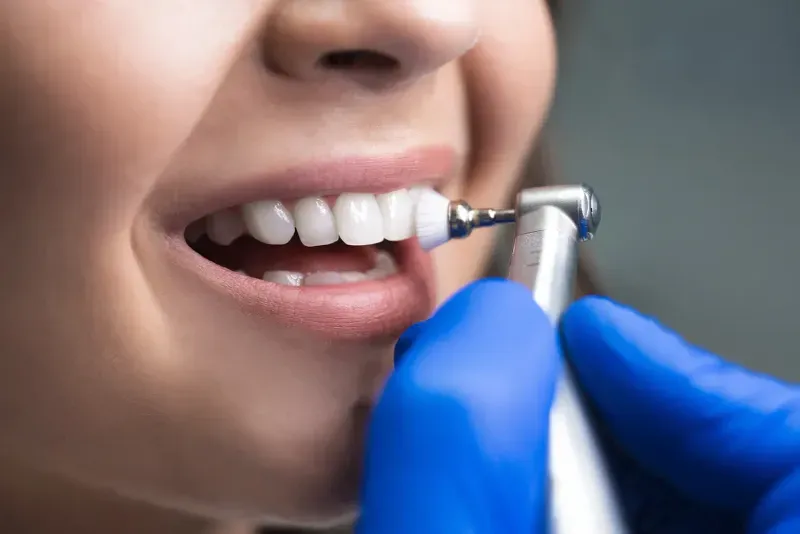
TLDR; Most people should schedule a dental cleaning every six months to maintain healthy teeth and gums. Those with gum disease, high cavity risk, or other oral health concerns may need cleanings every three to four months, while individuals with excellent oral health could extend to once a year with a dentist’s approval. Why Dental Cleanings Matter for Long-Term Oral Health Dental cleanings are essential for more than just a bright smile. They remove hardened plaque, called tartar, that regular brushing and flossing cannot eliminate. They also allow for early detection of gum disease, cavities, and other issues before they […]