Veneers last 10 to 25 years depending on the material, care, and your habits. Porcelain veneers often last 15 to 25 years, while composite veneers usually last 5 to 12 years. Good oral hygiene, avoiding damaging habits, and regular visits to Buford Dentist extend their lifespan.

Porcelain veneers generally last 15 to 25 years. Composite veneers typically last 5 to 12 years.
The difference comes from material strength, stain resistance, and bonding techniques.
In Georgia, patients who maintain good oral hygiene and avoid harmful habits often see porcelain veneers last beyond two decades.
Key averages:
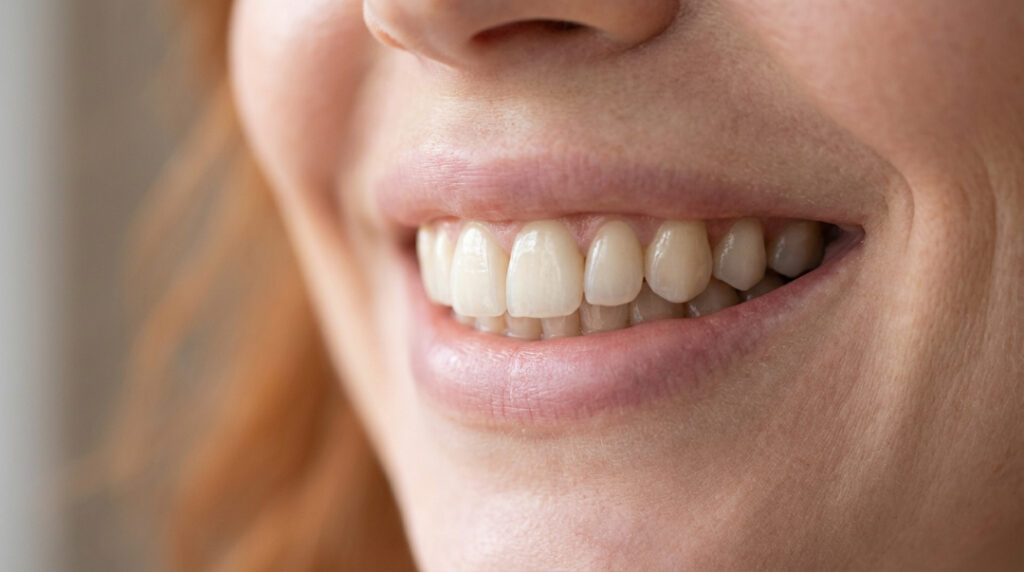
Porcelain dental veneers are durable, stain resistant, and retain natural shine. They often last more than 20 years.
Composite veneers are cheaper but less durable. They stain easier and usually need replacement within 5 to 10 years.
Newer ultra-thin porcelain and improved bonding systems are extending veneer lifespans even further.
The skill of your cosmetic dentist directly impacts veneer longevity. At Buford Dentist, precise enamel preparation and high-quality bonding improve veneer stability.
Poorly fitted veneers often fail early. High-quality lab work ensures strength and a natural look.
Healthy gums and teeth are critical. Gum disease or decay underneath shortens veneer lifespan.
Tooth structure left after preparation must be strong enough to support veneers.
Neglecting gum health or ignoring cavities under veneers leads to failure.


Knowing when veneers need replacement prevents bigger problems.
Common signs veneers should be replaced:
Most patients replace porcelain veneers after 15 to 20 years. Composite veneers usually need replacement within 5 to 7 years.
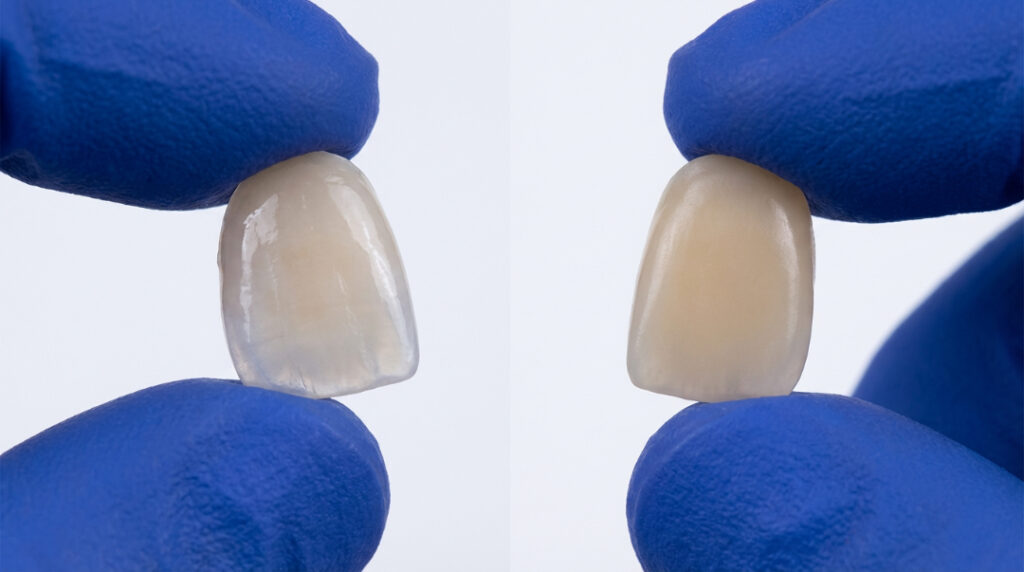
Porcelain:
Composite:

Many patients choose to fix tooth imperfections with veneers, but not everyone is a candidate. Other options exist.
Patients at Buford Dentist often weigh cost, durability, cosmetic needs, and review the pros and cons of veneers before choosing.

Porcelain veneers in Georgia range from $1,000 to $2,500 per tooth. Composite veneers range from $500 to $1,500 per tooth.
Prices depend on dentist expertise, lab work, and number of veneers.
Insurance rarely covers cosmetic veneers, but financing options are available.
Typical Georgia cost breakdown:
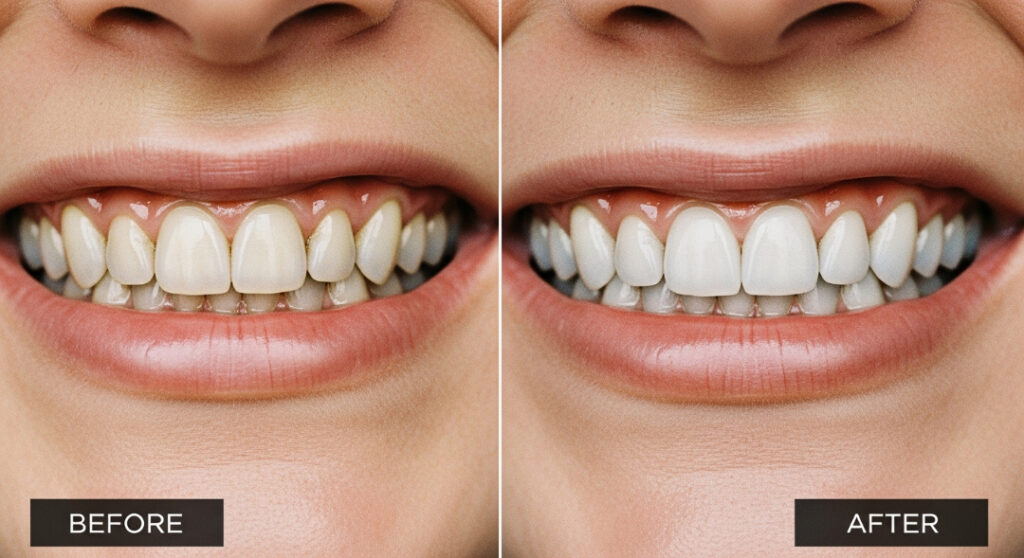
A patient in Buford received porcelain veneers in 2002. With consistent hygiene, nightguard use, and regular dental visits, their veneers lasted 22 years before replacement. The main cause of replacement was gum recession, not veneer damage.
This shows that with proper care, porcelain veneers can last well beyond average expectations.

To make veneers last longer, focus on:

Porcelain veneers usually last 15 to 25 years. Composite veneers last 5 to 12 years. Your care routine and dentist skill level make the biggest difference.
At Buford Dentist, patients who commit to oral hygiene, avoid damaging habits, and attend regular checkups often enjoy long-lasting results and a confident smile with veneers in Buford.
October 29, 2025
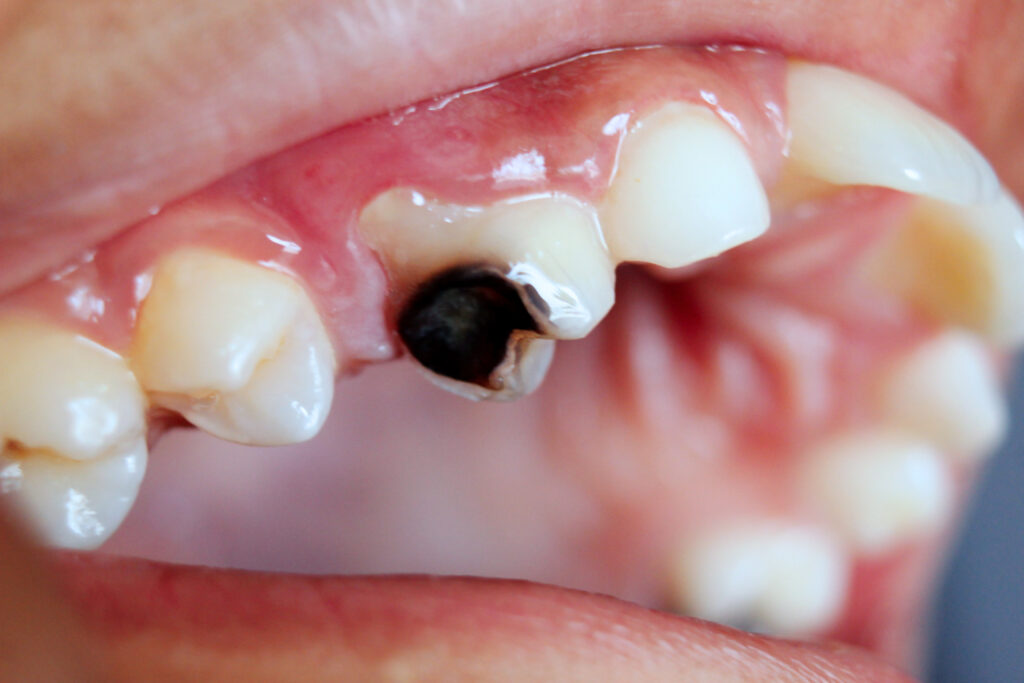
TLDR; Cavities do not heal on their own once a hole forms in the enamel. Early-stage tooth decay, known as enamel demineralization, can be reversed with proper care such as fluoride treatment, diet changes, and improved oral hygiene. Once the enamel is broken, professional dental treatment is required to stop further damage. Understanding Tooth Decay: From Enamel to Cavity To understand whether cavities can heal without fillings, you first need to know how they form. Tooth decay begins when bacteria in your mouth feed on sugars and produce acids that attack the enamel. This process is called demineralization. Over time, […]
Learn more
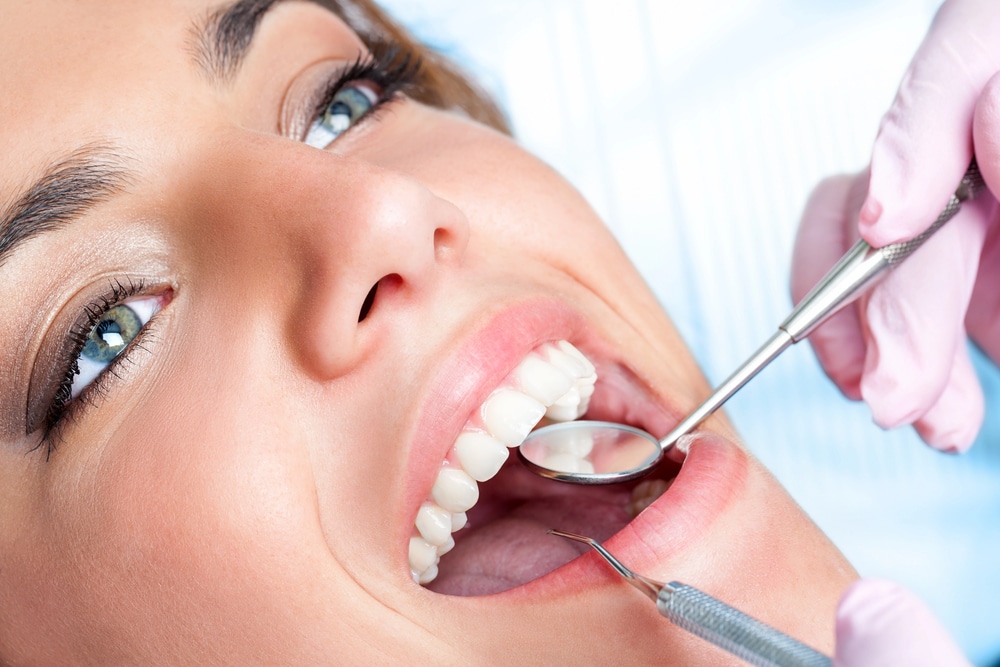
October 29, 2025
TLDR; Skipping dental cleanings for a year allows plaque to harden into tartar, which leads to gum disease, cavities, and potential tooth loss. Missing your annual cleaning also increases your risk of enamel erosion, bad breath, and higher treatment costs in the future. Regular professional cleanings at Buford Dentist protect both your oral and overall health. Why Professional Dental Cleanings Matter Professional dental cleanings are more than cosmetic. They are preventive care. A dental hygienist removes plaque and tartar that brushing and flossing leave behind. They also check for early signs of gum disease, tooth decay, and even oral cancer. […]
Learn more
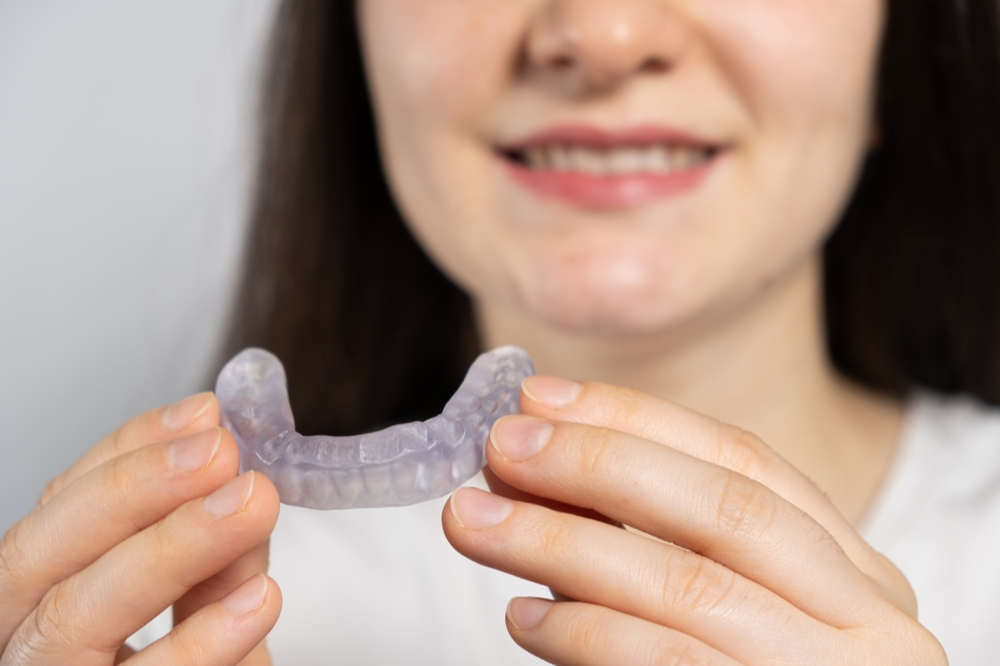
October 29, 2025
TLDR; Yes, night guards help relieve TMJ symptoms by reducing teeth grinding and clenching that strain the jaw joint. They cushion the bite, protect teeth from wear, and promote muscle relaxation, but effectiveness depends on getting a custom-fitted guard from a qualified dentist like Buford Dentist. Understanding TMJ and Why It Hurts The temporomandibular joint, or TMJ, connects your jawbone to your skull. It is one of the most complex joints in the body, responsible for chewing, speaking, and swallowing. When the joint becomes strained or inflamed, it leads to temporomandibular joint disorder, or TMD. Common symptoms include: Jaw pain […]
Learn more
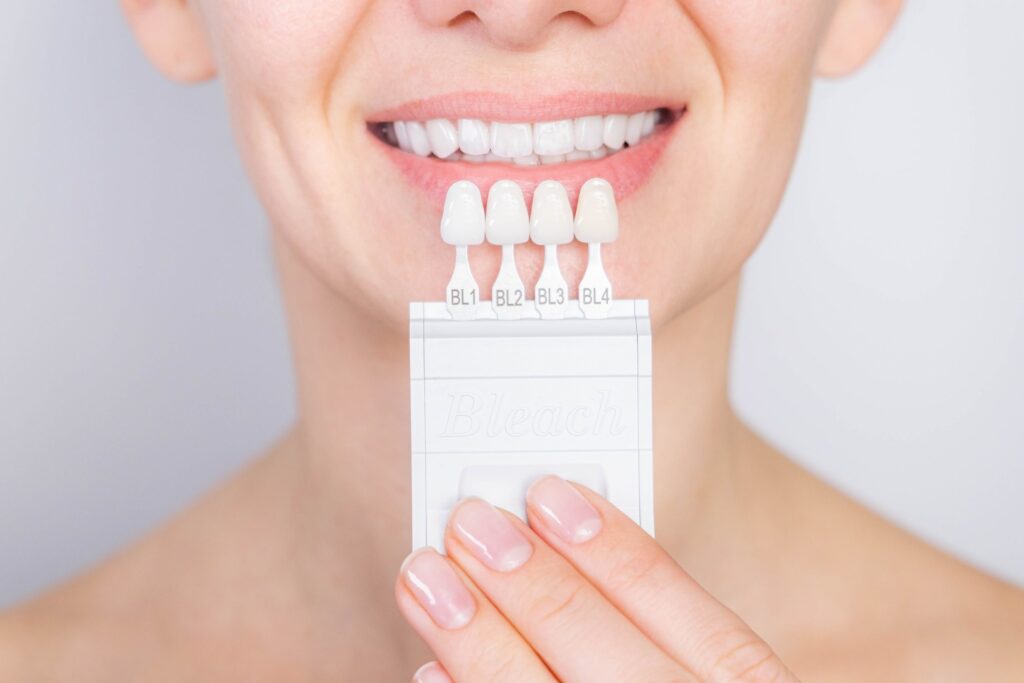
August 26, 2025
TLDR; Veneers are worth it if you want a fast, lasting way to improve your smile, provided you choose a qualified dentist and understand the costs, upkeep, and limitations. They deliver dramatic cosmetic results but involve permanent changes to your teeth and are not suited for every dental situation. Understanding Veneers and Their Types Veneers are thin shells bonded to the front of your teeth to improve appearance. They are custom-made to match the shape, size, and color you want. Main types include: Porcelain veneers – Durable, stain-resistant, and lifelike. Composite veneers – More affordable but less durable and prone […]
Learn more
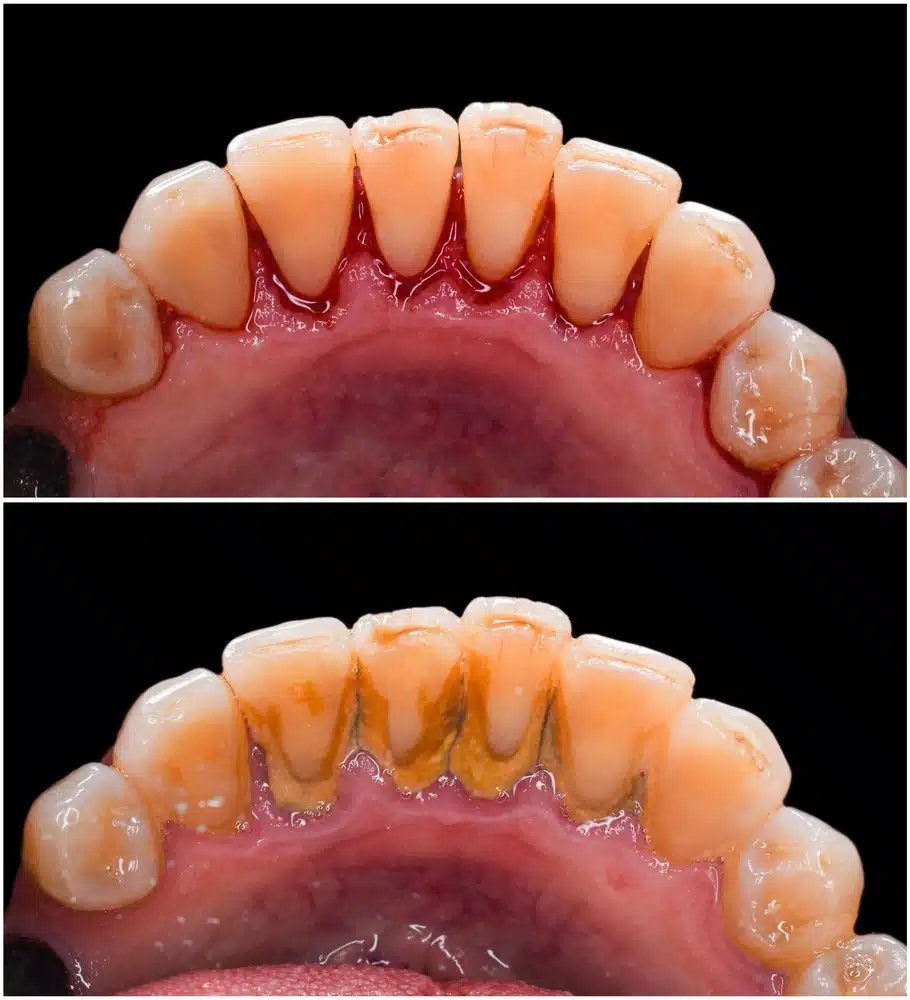
August 22, 2025
TLDR; A regular dental cleaning, or prophylaxis, removes plaque and tartar above the gumline to maintain healthy teeth and gums. A deep cleaning, or scaling and root planing, removes plaque and tartar below the gumline and smooths tooth roots to treat gum disease. The main difference is prevention versus treatment. Regular Dental Cleaning: Dental Prophylaxis Definition and Purpose A regular dental cleaning is a preventive procedure for patients with healthy gums. It removes soft and hardened plaque above the gumline to prevent cavities and gum disease. Steps in a Regular Cleaning Dental exam to check for cavities and gum health […]
Learn more
August 21, 2025
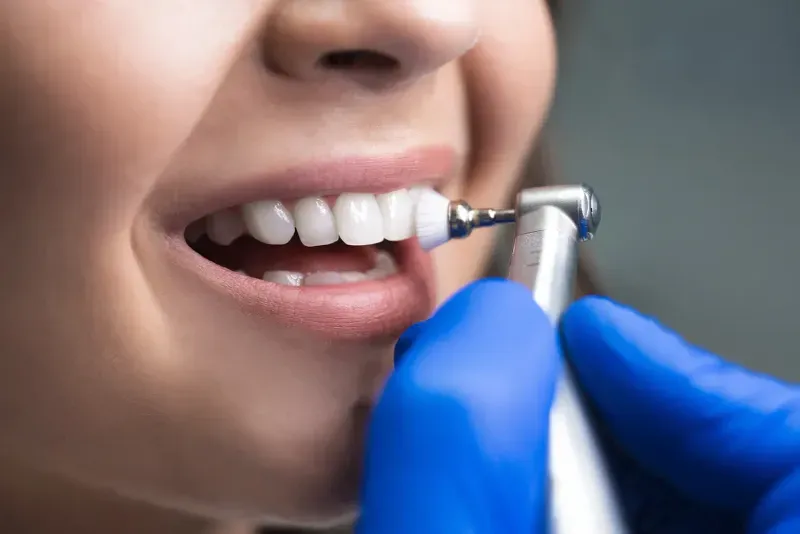
TLDR; Most people should schedule a dental cleaning every six months to maintain healthy teeth and gums. Those with gum disease, high cavity risk, or other oral health concerns may need cleanings every three to four months, while individuals with excellent oral health could extend to once a year with a dentist’s approval. Why Dental Cleanings Matter for Long-Term Oral Health Dental cleanings are essential for more than just a bright smile. They remove hardened plaque, called tartar, that regular brushing and flossing cannot eliminate. They also allow for early detection of gum disease, cavities, and other issues before they […]
Lorem ipsum dolor sit amet, consectetur adipiscing elit, sed do eiusmod tempor incididunt ut labore et dolore magna aliqua. Ut enim ad minim veniam, quis nostrud exercitation ullamco laboris nisi ut aliquip ex ea commodo consequat.
Learn More
How to Change my Photo from Admin Dashboard?
Far far away, behind the word mountains, far from the countries Vokalia and Consonantia, there live the blind texts. Separated they live in Bookmarksgrove right at the coast
How to Change my Password easily?
Far far away, behind the word mountains, far from the countries Vokalia and Consonantia, there live the blind texts. Separated they live in Bookmarksgrove right at the coast
How to Change my Subscription Plan using PayPal
Far far away, behind the word mountains, far from the countries Vokalia and Consonantia, there live the blind texts. Separated they live in Bookmarksgrove right at the coast