The 8 tools commonly used by general dentists are the mouth mirror, explorer or sickle probe, scaler, excavator, dental drill with burs, suction device, intraoral camera, and dental dam. These instruments are essential for examination, cleaning, treatment, and maintaining a safe and effective dental procedure. Buford Dentist explains how each tool works so you know what to expect during your visit.
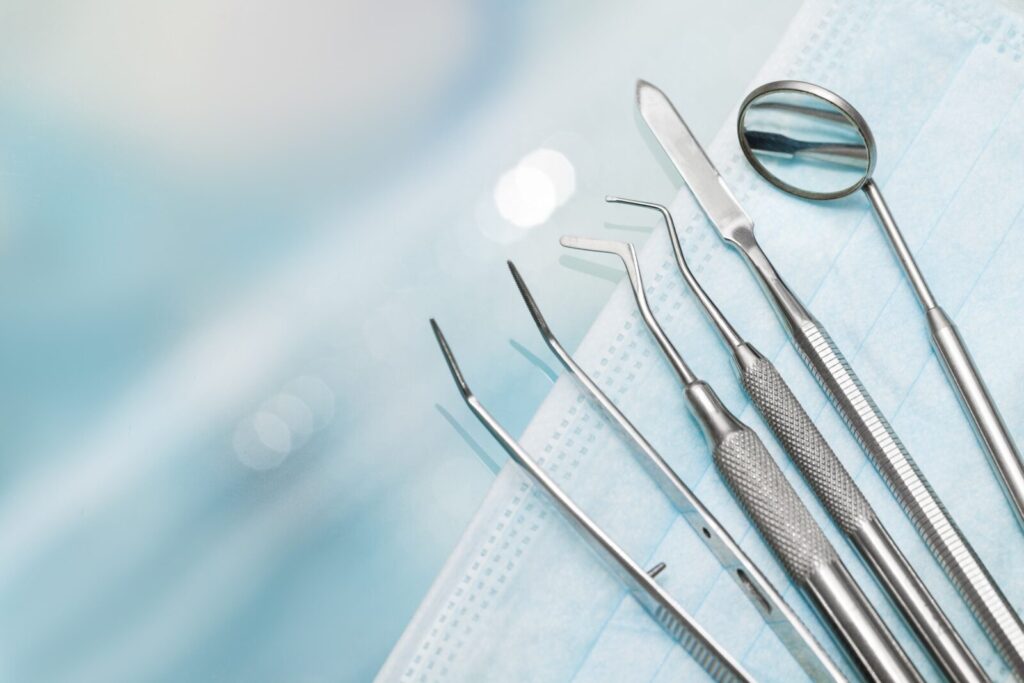
General dentists use specific tools to examine, diagnose, clean, and treat patients. Each instrument has a defined role. Some are for visibility, others for cleaning, and others for restoration. Knowing these tools helps patients feel informed and less anxious during dental appointments at Buford Dentist.
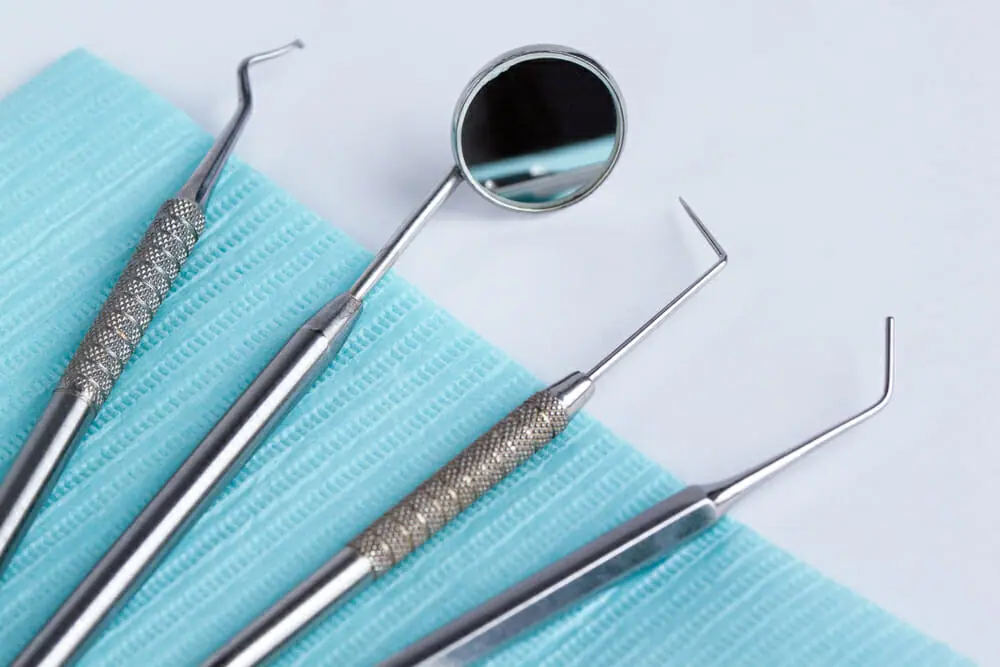
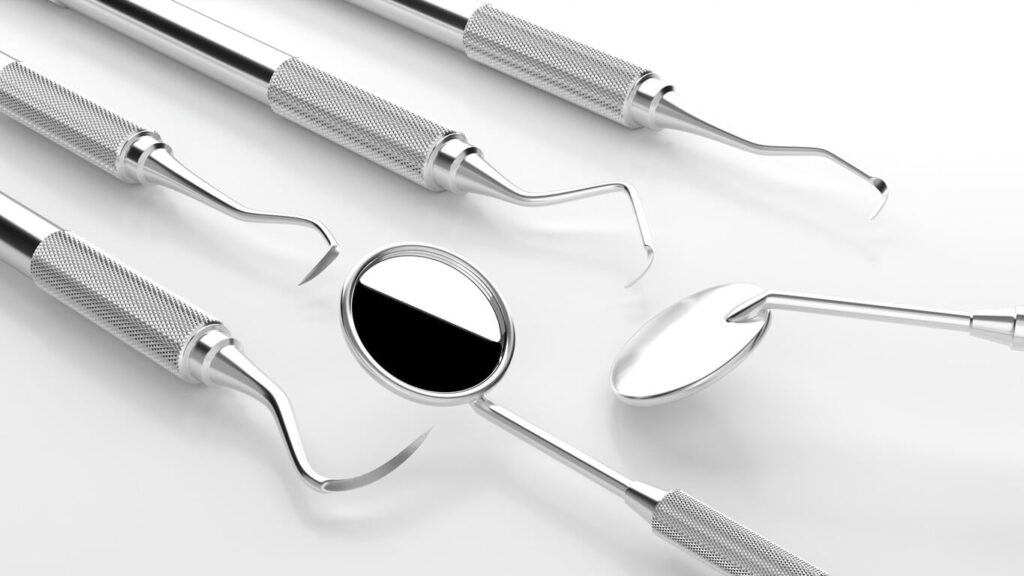
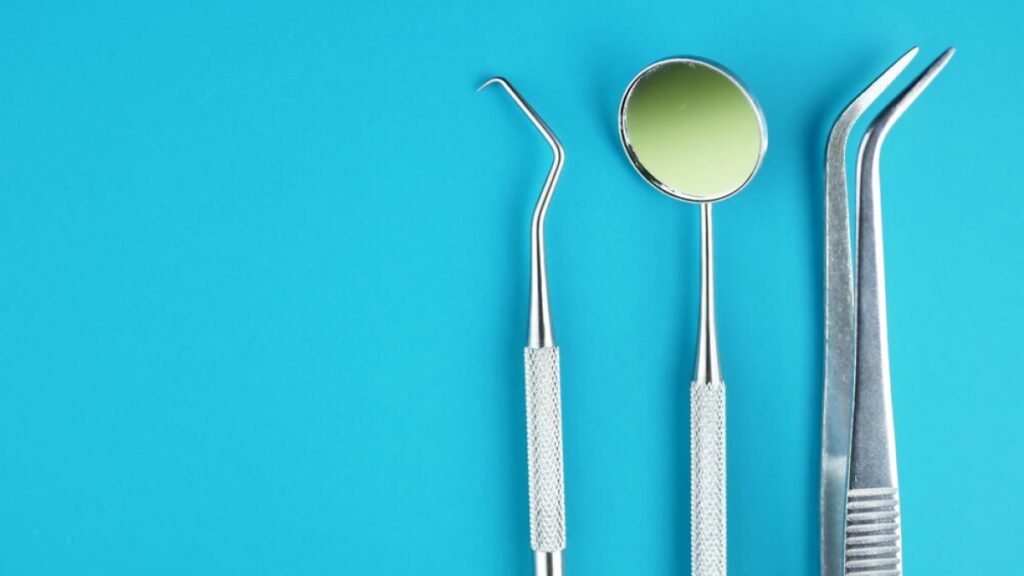
The mouth mirror is a small, circular mirror attached to a handle. Dentists use it to view areas of the mouth that are hard to see directly.
Without this tool, identifying early problems such as cavities or gum disease would be more difficult.
The explorer, often called a sickle probe, is a pointed tool used for detecting problems.
It is one of the first tools you encounter in an exam, as it helps the dentist confirm what is visible on X-rays.
This modern tool helps with diagnosis and patient education.
Patients at Buford Dentist often feel reassured seeing what the dentist sees. It makes treatment recommendations easier to understand.
Scalers remove plaque and tartar that regular brushing cannot.
Proper scaling reduces the risk of periodontal disease and supports long-term oral health.
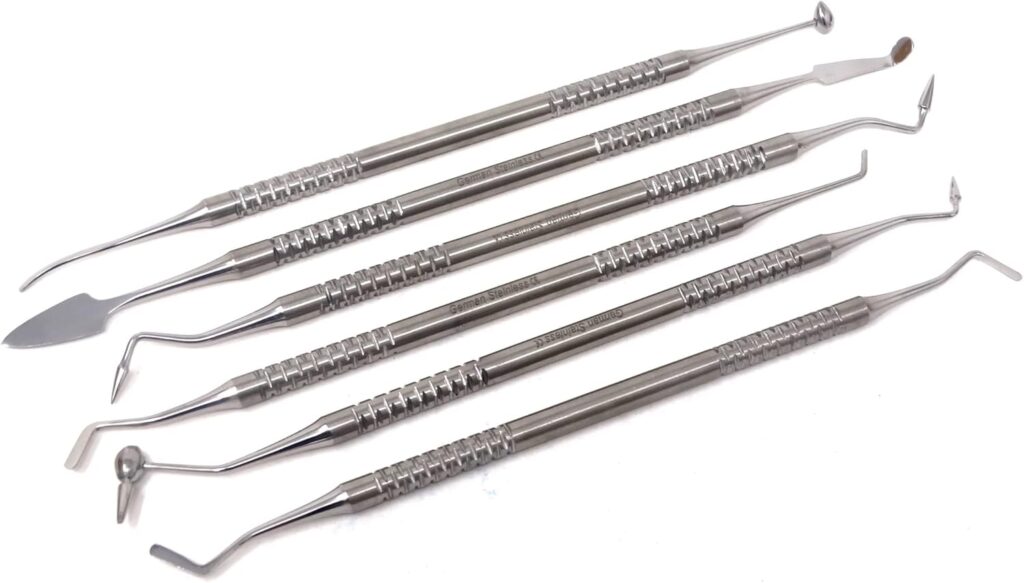
An excavator looks like a small spoon with a sharp edge.
By removing decayed areas completely, the dentist prevents further damage and supports a long-lasting restoration.
The dental drill, also called a handpiece, is one of the most recognized instruments in dentistry.
This tool is vital for removing decay, preparing cavities for fillings, and shaping teeth for crowns.
The dental dam is a thin sheet, usually made of latex or a latex-free material.
Buford Dentist often uses a dental dam during root canal treatments or fillings for better outcomes.
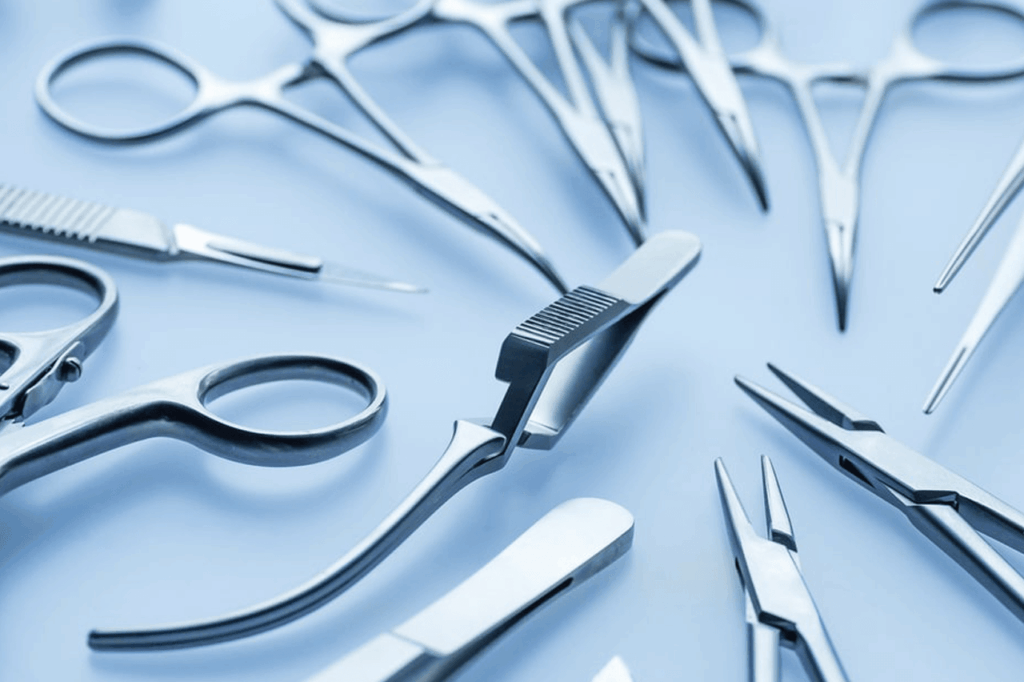
Suction devices, also called saliva ejectors or high-volume evacuators, keep the mouth dry.
Effective suction is critical for many treatments, from fillings to cleanings.
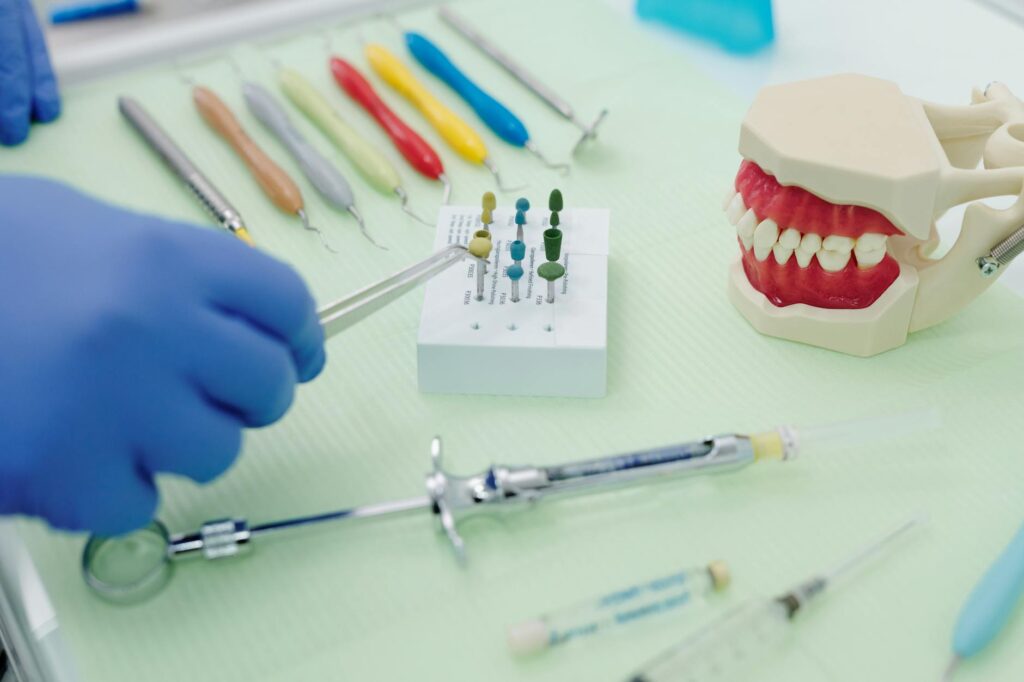
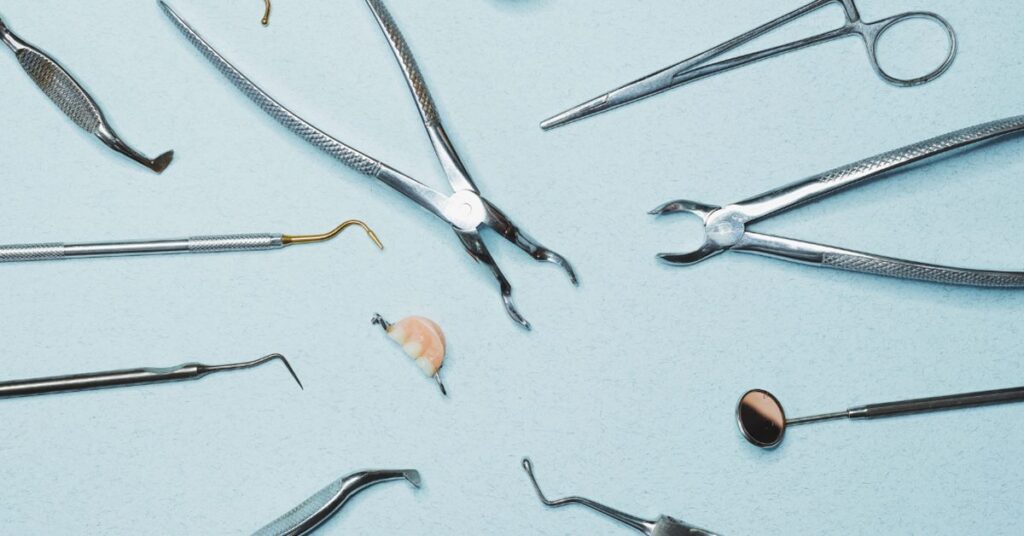
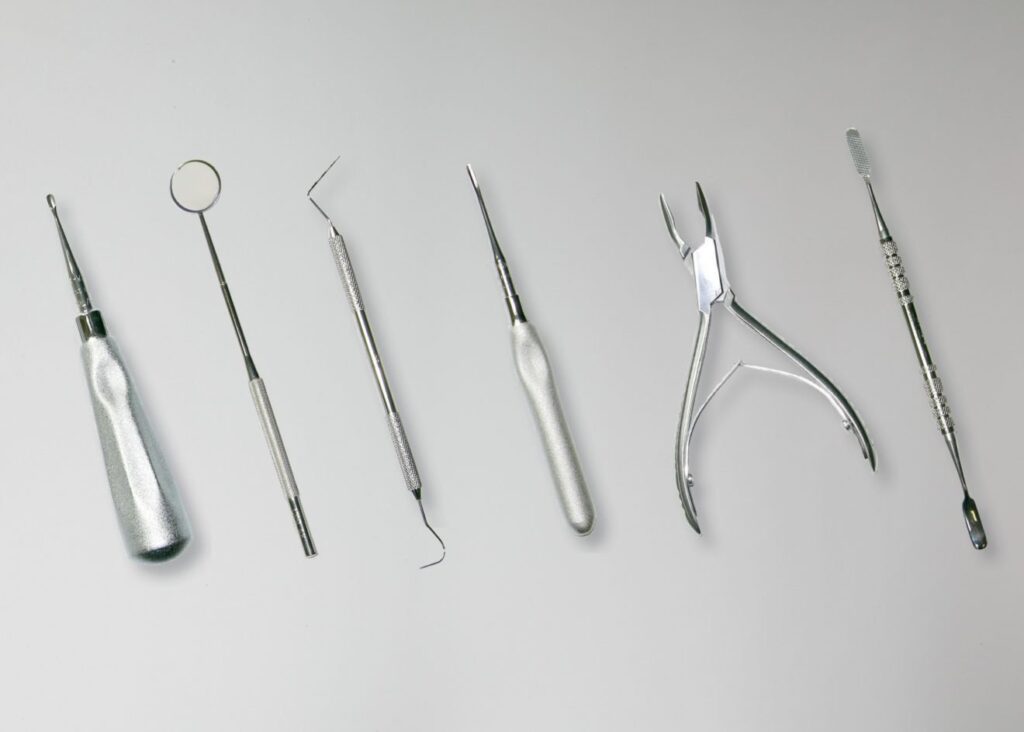
re instruments often used in tooth extractions.
This is an endodontic tool used in root canal procedures.
While not part of every general visit, including these tools shows the broader scope of dentistry.
To understand how general dentists work, it helps to group tools by purpose:
This sequence reflects the flow of a typical dental appointment at Buford Dentist.

Knowing about these 8 tools reduces fear. Patients often feel anxious about dental visits because they do not know what is happening. By explaining tools such as the intraoral camera or dental dam, dentists empower patients. It shifts the experience from mystery to understanding.
Dentistry has advanced from simple hand instruments to highly precise digital tools. Many clinics now combine traditional tools with digital scanners and lasers. In the future, expect:
The 8 tools commonly used by general dentists are essential for exams, cleaning, treatment, and safety. Each has a specific purpose that contributes to patient care. Understanding them helps patients know what to expect and reduces anxiety. At Buford Dentist, these tools are part of every treatment plan designed to keep your oral health strong.