TLDR;
TMJ symptoms can last anywhere from a few days to several years depending on the cause and severity. Mild TMJ often goes away on its own with rest and self-care, but chronic cases caused by bruxism, arthritis, or jaw misalignment usually need professional treatment from a dentist like Buford Dentist to resolve fully.
What Is TMJ Disorder?
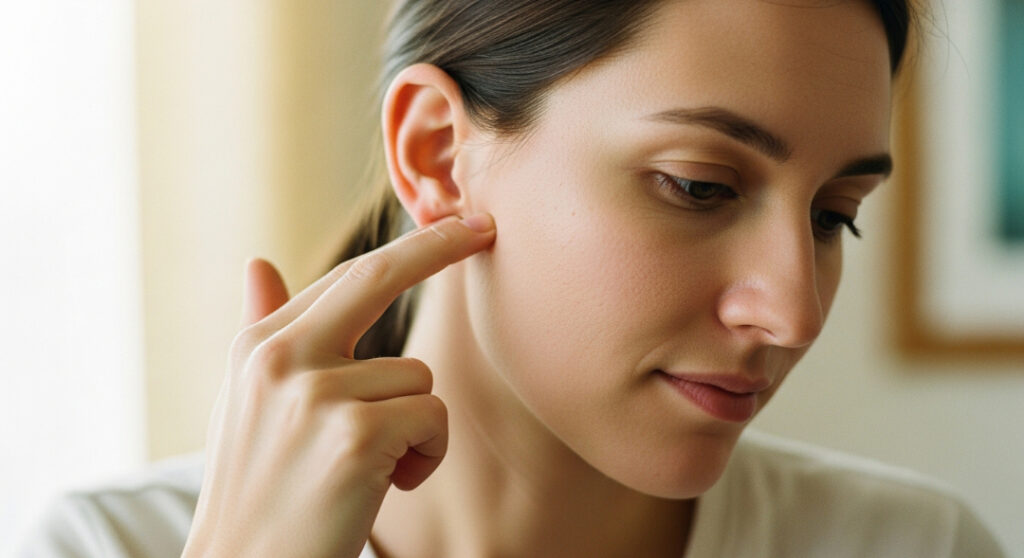
TMJ stands for temporomandibular joint disorder. It affects the joint that connects your jaw to your skull.
This joint allows you to chew, talk, and yawn. When the joint or muscles around it stop working properly, pain and dysfunction occur.
Common symptoms include:
- Jaw pain or soreness
- Clicking or popping sounds when moving the jaw
- Limited jaw movement or locking
- Headaches and ear pain
Understanding this condition helps you know why symptoms last different lengths of time.
alth is no exception. Hormonal changes, morning sickness, and dietary shifts raise risks for dental problems that can affect both mother and baby.
Hormonal Changes and Gum Disease
- Increased levels of progesterone and estrogen affect how gums respond to plaque.
- Many pregnant women develop pregnancy gingivitis, marked by swollen, tender, or bleeding gums.
- If untreated, gingivitis can progress to periodontal disease, which damages supporting tissues around teeth.
- Studies link severe gum disease with preterm birth and low birth weight.
Enamel Erosion and Tooth Decay
- Morning sickness and acid reflux expose teeth to stomach acid.
- Acid wears away enamel, leading to sensitivity and a higher risk of cavities.
- Cravings for sweet or carbohydrate-rich foods increase plaque buildup and decay.
Systemic Health Impacts
-
-
- Infections in the gums can spread through the bloodstream.
- Research shows associations between periodontal disease and complications such as preeclampsia, gestational diabetes, and premature delivery.
- Maintaining oral health lowers these risks and supports overall maternal wellness.
Acute vs Chronic TMJ

Acute TMJ is short-term. It often develops due to stress, temporary jaw injury, or dental work.
- Usually resolves in days or weeks
- Responds to simple self-care like resting the jaw
- Often linked to one-time triggers like chewing gum excessively or a stressful week
Chronic TMJ
Chronic TMJ lasts for months or years.
- Often linked to bruxism, arthritis, or bite misalignment
- Pain may flare up regularly
- Without intervention symptoms persist and worsen
Signs of Transition
If you notice pain lasting longer than 3 to 4 weeks, difficulty opening your mouth, or recurring jaw stiffness, acute TMJ might be becoming chronic.
How Long Does TMJ Last? Typical Recovery Times

The length of TMJ depends on the cause, severity, and treatment.
Mild Cases
- Stress-related or minor jaw strain
- Usually lasts a few days to a few weeks
- Often improves with soft foods, rest, and relaxation techniques
Moderate Cases
- Common in people with teeth grinding or bite problems
- Can last weeks to months
- Improvement depends on using guards, dental adjustments, or therapy
Severe or Chronic Cases
- Linked to arthritis or structural joint damage
- Can last months to years
- Requires long-term management with professional care
Key Factors That Affect Duration
- Severity: Minor stress-induced jaw pain heals quickly, severe arthritis does not
- Underlying cause: Bruxism, arthritis, and misalignment extend recovery time
- Treatment: Early care shortens duration, delays make symptoms worse
- Age and health: Younger, healthier patients heal faster
- Lifestyle habits: Stress, posture, and diet all affect recovery
Does TMJ Go Away on Its Own?

In mild cases yes. If the cause is temporary stress or a minor injury, symptoms fade naturally.
TMJ does not go away on its own when:
- It is linked to arthritis
- Teeth grinding continues every night
- The jaw joint is structurally misaligned
Leaving TMJ untreated risks long-term pain and permanent joint damage.
Self-Care and Home Remedies

For mild cases, home care is often enough.
- Eat soft foods
- Avoid chewing gum or biting nails
- Apply hot or cold packs to the jaw
- Use relaxation techniques to reduce stress
- Perform gentle jaw exercises
Over-the-Counter Relief
Pain relievers like ibuprofen or acetaminophen reduce discomfort and inflammation.
Topical anti-inflammatory gels may also help.
Dental Appliances
Custom mouth guards or splints prevent teeth grinding and reduce joint strain.
Night guards are often prescribed for people who grind their teeth while sleeping.
Physical Therapy and Chiropractic Approaches
Therapists teach exercises to strengthen and relax jaw muscles.
Manual adjustments or posture corrections relieve strain on the joint.
Advanced Treatment Options

For severe TMJ that does not improve with standard care, advanced treatments are considered:
- Corticosteroid injections reduce inflammation
- Botox injections relax overactive jaw muscles
- Surgery is rare but may be needed for structural joint problems
Monitoring TMJ Symptoms and When to See a Specialist

You should see a dentist or specialist if:
- Pain lasts more than 3 to 4 weeks
- Your jaw locks open or shut
- You hear loud popping or grinding sounds
- Pain spreads to your ear, neck, or head
Buford Dentist advises patients to schedule an exam when symptoms interfere with daily life.
Preventing Recurrence and Long-Term Management

- Manage stress with relaxation techniques
- Maintain good posture at work and while sleeping
- Wear a custom night guard if you grind your teeth
- Avoid hard foods that strain the jaw
- Schedule regular dental checkups to monitor jaw health
Case Scenarios
TMJ After Wisdom Tooth Removal
Pain usually lasts one to two weeks. Rest, ice packs, and soft foods help recovery.
TMJ From Teeth Grinding
Without a guard, symptoms can last for years. With a custom splint and therapy, recovery often happens in months.
TMJ With Arthritis
Symptoms persist long-term but professional treatment improves comfort and function.
FAQs
How long does TMJ last without treatment?
A few days to several months depending on cause. Chronic cases continue indefinitely without care.
Is TMJ permanent?
Not always. Mild cases resolve. Severe cases linked to arthritis often last for years.
How quickly does self-care help?
You may notice relief in days to weeks with rest, diet changes, and jaw exercises.
Can TMJ return after healing?
Yes, especially if stress, teeth grinding, or misalignment remain unaddressed.
Are there exercises to speed recovery?
Yes, gentle stretching, controlled jaw movements, and posture corrections shorten recovery time.
TMJ Treatment Options With Buford Dentist

Buford Dentist offers:
- Custom night guards
- Bite adjustments
- Professional therapy referrals
- Comprehensive exams to identify underlying causes
Patients who address TMJ early recover faster and reduce risk of chronic pain.
Final Thoughts on TMJ Recovery Time

TMJ disorder lasts anywhere from a few days to many years. The outcome depends on the cause, your habits, and the care you receive.
Mild cases resolve on their own with rest and stress management. Chronic cases tied to bruxism, arthritis, or misalignment need professional treatment.
Working with a trusted provider like Buford Dentist ensures the right plan for lasting relief.