1900 Morningside Dr Suite 201, Buford, GA 30518
[email protected]
(770) 932-1115


Can Wisdom Teeth Cause TMJ? Exploring the Connection


Wisdom teeth are often associated with discomfort, swelling, and even dental complications, but can they also be the cause of temporomandibular joint (TMJ) disorders? The answer is a bit nuanced. While wisdom teeth don’t directly cause TMJ disorders, their impact on the jaw can contribute to TMJ-like symptoms. For individuals experiencing jaw pain, stiffness, or even facial discomfort, understanding the potential link between wisdom teeth and TMJ can be essential to finding relief. This post delves into the connection, examining factors from wisdom teeth anatomy to common TMJ triggers, with practical insights on treatments and ways to relieve TMJ-related dizziness and ear issues.

Understanding the Link Between Wisdom Teeth and TMJ

To comprehend how wisdom teeth and TMJ disorders might relate, it's important to recognize what each involves. The temporomandibular joint is the hinge-like structure connecting the jawbone to the skull, allowing us to chew, talk, and move our jaws freely. TMJ disorders arise when something disrupts this complex system, causing pain or restricted movement. On the other hand, wisdom teeth—our third molars—are the final set of teeth to emerge, often causing issues due to their position or lack of space.

Can Wisdom Teeth Cause Jaw Pain?

Impacted or misaligned wisdom teeth don’t directly cause TMJ disorders, but they can certainly aggravate the TMJ and trigger symptoms similar to TMJ pain. For instance, if a wisdom tooth is growing at an angle, it can press on the surrounding jawbone or nearby nerves, leading to jaw stiffness, swelling, and discomfort—all symptoms that mimic TMJ disorders. In some cases, impacted wisdom teeth can exert additional pressure on the jaw muscles and joints, contributing to an imbalance that may trigger TMJ-like symptoms.

Example: Imagine a car with a misaligned wheel. It still drives, but the added pressure on that wheel affects the car’s handling and stability. Similarly, impacted wisdom teeth place additional strain on your jaw, potentially leading to jaw pain and clicking noises. Learn more about the duration and treatment options for TMJ issues for a deeper understanding of how these symptoms might progress.

Can Impacted Wisdom Teeth Lead to TMJ Issues?

In most cases, TMJ disorders result from other factors entirely, such as arthritis, jaw injuries, or habitual teeth grinding (bruxism). These factors can erode or damage the TMJ over time, making it vulnerable to pain and dysfunction. While impacted wisdom teeth can contribute to discomfort in the jaw area, they don’t directly alter the TMJ’s structure. Stress, genetics, and hormonal factors also influence TMJ health, further separating these issues from wisdom teeth complications. If you’re active in weightlifting, you might also want to understand how weightlifting impacts TMJ, as physical strain can exacerbate jaw issues.

Identifying the Symptoms of Wisdom Teeth vs. TMJ

Is Jaw Pain from Wisdom Teeth Related to TMJ?

Differentiating between wisdom tooth pain and TMJ pain can be challenging, as both conditions produce similar symptoms: jaw pain, stiffness, headaches, and even ear discomfort. However, a few key differences exist:

  • Location of Pain: TMJ pain is often centered around the jaw joint and may spread to the face or ears. Wisdom tooth pain, however, is typically localized around the back of the jaw.
  • Movement and Popping Sounds: TMJ issues may lead to a popping or clicking sound when opening or closing the jaw. This is less common with wisdom teeth pain.
  • Headaches and Ear Pain: TMJ disorders frequently cause headaches and ear pain due to the TMJ’s proximity to these areas, while wisdom teeth may not trigger these symptoms unless they’re impacted or infected.

Knowing these distinctions can help you determine whether your pain originates from TMJ or an issue with wisdom teeth. If in doubt, consulting a dental specialist can be beneficial.

Treatment Options for TMJ and Wisdom Teeth Issues

Wisdom Teeth and Jaw Issues

Treatment for TMJ symptoms and wisdom tooth complications varies based on the severity of each condition. If your jaw pain is linked to TMJ, conservative treatments like rest, jaw exercises, and applying warm or cold compresses may alleviate discomfort. Some individuals benefit from wearing a night guard, which prevents teeth grinding and reduces pressure on the TMJ.

When wisdom teeth are the root of the problem, removal may be advised. Extraction can reduce jaw pressure, creating more space and potentially alleviating TMJ-like symptoms. However, it’s important to note that wisdom teeth removal doesn’t guarantee relief from TMJ symptoms; sometimes, the surgery itself can exacerbate existing TMJ issues due to changes in jaw alignment.

Knowing When to See a Specialist

Are Wisdom Teeth Removal and TMJ Connected?

When symptoms persist, seeking professional guidance is essential. A dentist or an oral surgeon can assess whether wisdom teeth removal might benefit your jaw health or if TMJ treatments would provide more relief. For those with recurrent or severe TMJ symptoms, visiting a specialist may lead to solutions such as physical therapy, jaw alignment exercises, or even minimally invasive surgeries to stabilize the joint.

Conclusion

While wisdom teeth don’t directly cause TMJ disorders, their presence can contribute to TMJ-like symptoms, especially if they’re impacted or misaligned. By understanding the causes, symptoms, and treatments of both wisdom teeth complications and TMJ disorders, you can make informed decisions about your oral health. Consulting with a dental professional will ensure you receive a tailored treatment plan, helping you manage discomfort and maintain a healthy jaw. Whether your pain originates from wisdom teeth or TMJ, there’s a path to relief.
Can Cavities Heal on Their Own Without Fillings?


October 29, 2025


Can Cavities Heal on Their Own Without Fillings?

TLDR; Cavities do not heal on their own once a hole forms in the enamel. Early-stage tooth decay, known as enamel demineralization, can be reversed with proper care such as fluoride treatment, diet changes, and improved oral hygiene. Once the enamel is broken, professional dental treatment is required to stop further damage. Understanding Tooth Decay: From Enamel to Cavity To understand whether cavities can heal without fillings, you first need to know how they form. Tooth decay begins when bacteria in your mouth feed on sugars and produce acids that attack the enamel. This process is called demineralization. Over time, […]


Learn more


What Happens If You Skip Dental Cleanings for a Year?


October 29, 2025


What Happens If You Skip Dental Cleanings for a Year?

TLDR; Skipping dental cleanings for a year allows plaque to harden into tartar, which leads to gum disease, cavities, and potential tooth loss. Missing your annual cleaning also increases your risk of enamel erosion, bad breath, and higher treatment costs in the future. Regular professional cleanings at Buford Dentist protect both your oral and overall health. Why Professional Dental Cleanings Matter Professional dental cleanings are more than cosmetic. They are preventive care. A dental hygienist removes plaque and tartar that brushing and flossing leave behind. They also check for early signs of gum disease, tooth decay, and even oral cancer. […]


Learn more


Do Night Guards Really Help TMJ? What You Should Know Before Buying One


October 29, 2025


Do Night Guards Really Help TMJ? What You Should Know Before Buying One

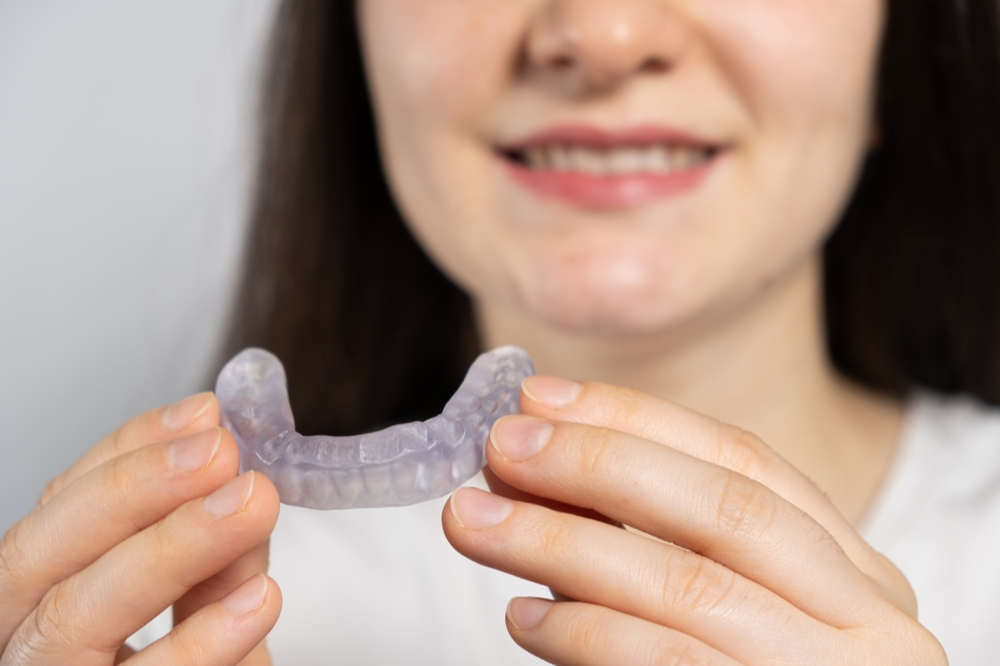
TLDR; Yes, night guards help relieve TMJ symptoms by reducing teeth grinding and clenching that strain the jaw joint. They cushion the bite, protect teeth from wear, and promote muscle relaxation, but effectiveness depends on getting a custom-fitted guard from a qualified dentist like Buford Dentist. Understanding TMJ and Why It Hurts The temporomandibular joint, or TMJ, connects your jawbone to your skull. It is one of the most complex joints in the body, responsible for chewing, speaking, and swallowing. When the joint becomes strained or inflamed, it leads to temporomandibular joint disorder, or TMD. Common symptoms include: Jaw pain […]


Learn more


Are Veneers Worth It? Pros, Cons, and What to Expect


August 26, 2025


Are Veneers Worth It? Pros, Cons, and What to Expect

TLDR; Veneers are worth it if you want a fast, lasting way to improve your smile, provided you choose a qualified dentist and understand the costs, upkeep, and limitations. They deliver dramatic cosmetic results but involve permanent changes to your teeth and are not suited for every dental situation. Understanding Veneers and Their Types Veneers are thin shells bonded to the front of your teeth to improve appearance. They are custom-made to match the shape, size, and color you want. Main types include: Porcelain veneers – Durable, stain-resistant, and lifelike. Composite veneers – More affordable but less durable and prone […]


Learn more


What’s the Difference Between a Regular Dental Cleaning and a Deep Cleaning?


August 22, 2025


What’s the Difference Between a Regular Dental Cleaning and a Deep Cleaning?

TLDR; A regular dental cleaning, or prophylaxis, removes plaque and tartar above the gumline to maintain healthy teeth and gums. A deep cleaning, or scaling and root planing, removes plaque and tartar below the gumline and smooths tooth roots to treat gum disease. The main difference is prevention versus treatment. Regular Dental Cleaning: Dental Prophylaxis Definition and Purpose A regular dental cleaning is a preventive procedure for patients with healthy gums. It removes soft and hardened plaque above the gumline to prevent cavities and gum disease. Steps in a Regular Cleaning Dental exam to check for cavities and gum health […]


Learn more


How Often Should You Really Get a Dental Cleaning?


August 21, 2025


How Often Should You Really Get a Dental Cleaning?

TLDR; Most people should schedule a dental cleaning every six months to maintain healthy teeth and gums. Those with gum disease, high cavity risk, or other oral health concerns may need cleanings every three to four months, while individuals with excellent oral health could extend to once a year with a dentist’s approval. Why Dental Cleanings Matter for Long-Term Oral Health Dental cleanings are essential for more than just a bright smile. They remove hardened plaque, called tartar, that regular brushing and flossing cannot eliminate. They also allow for early detection of gum disease, cavities, and other issues before they […]


Learn more

General Question

Lorem ipsum dolor sit amet, consectetur adipiscing elit, sed do eiusmod tempor incididunt ut labore et dolore magna aliqua. Ut enim ad minim veniam, quis nostrud exercitation ullamco laboris nisi ut aliquip ex ea commodo consequat. 


Learn More


How to Change my Photo from Admin Dashboard?


Far far away, behind the word mountains, far from the countries Vokalia and Consonantia, there live the blind texts. Separated they live in Bookmarksgrove right at the coast


Far far away, behind the word mountains, far from the countries Vokalia and Consonantia, there live the blind texts. Separated they live in Bookmarksgrove right at the coast


Far far away, behind the word mountains, far from the countries Vokalia and Consonantia, there live the blind texts. Separated they live in Bookmarksgrove right at the coast

Let’s Take Care of Your Smile

Name
This field is for validation purposes and should be left unchanged.
Buford logo
Gentle, Experienced Care for the Smile You Deserve
Monday - thursday: 8 AM - 5 PM
Friday - Saturday: Closed
Quick links
Service 1
Service 1
Service 1
Service 1
Service 1
Copyright © Buford Dentist. All rights reserved | Website by SERP Dental, a division of AscendPoint Agency.